

Olympe de Gouges Guillotined: The Feminist Who Challenged the Revolution
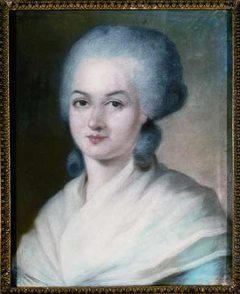
The guillotine silenced Olympe de Gouges after she penned the Declaration of the Rights of Woman and of the Female Citizen to demand equality during the French Revolution. Her execution forced a stark reality: even as revolutionaries dismantled the monarchy, they refused to extend those same rights to women, entrenching a gendered exclusion that would take over a century to challenge.
November 3, 1793
233 years ago
Key Figures & Places







What Else Happened on November 3
Constantius II spent years hunting Julian — exiling family members, executing rivals, building an empire where only he could rule. Then a fever won. Dying at Mo…
en Roma (península itálica) comienza el pontificado del papa Honorio I.
A Persian captive named Piruz Nahavandi assassinated the second caliph, Umar ibn al-Khattab, while he led morning prayers in Medina. This sudden death triggered…
en la Mezquita del Profeta de la ciudad de Medina (Arabia), un esclavo persa apuñala a Umar ibn al‑Jattab, segundo califa, quien fallecerá el 7 de noviembre.
en la villa de Girona (Cataluña), alguien escribe la primera referencia que se tiene de la aldea de Santa Eugenia de Ter (hoy un barrio que se encuentra a 3 km …
William Rufus marched on Rouen to seize his brother Robert's capital, only to watch his assault crumble in a chaotic riot. The failed coup forced the English ki…
Talk to History
Have a conversation with historical figures who witnessed this era. Ask questions, explore perspectives, and bring history to life.