Diem Assassinated: A Coup Escalates Vietnam's War
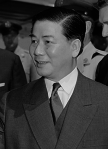
Two bullets in the back of an armored personnel carrier ended the presidency of Ngo Dinh Diem on November 2, 1963, barely 20 days before another assassination would reshape the same conflict from the other side of the Pacific. Diem and his brother Ngo Dinh Nhu were captured by South Vietnamese military officers after fleeing the presidential palace through a secret tunnel and taking refuge in a Catholic church in Cholon, Saigon's Chinese district. The coup had been months in the making, driven by a coalition of South Vietnamese generals who had grown exasperated with the Diem regime's corruption, its persecution of the Buddhist majority, and its increasingly erratic prosecution of the war against the Viet Cong. The dramatic self-immolation of Buddhist monk Thich Quang Duc on a Saigon street in June 1963 had shocked the world and sharpened opposition to the regime. Madame Nhu's callous reference to the immolations as "barbecues" deepened international revulsion. Washington's role was ambiguous and remains contested. The Kennedy administration, frustrated with Diem's refusal to implement reforms, sent signals through ambassador Henry Cabot Lodge Jr. that the United States would not oppose a change in leadership. A pivotal August 24 cable, drafted by mid-level State Department officials while senior advisors were away for the weekend, assured the generals of American acquiescence. Kennedy reportedly did not intend for Diem to be killed, and reacted to the news of the murders with visible shock. The aftermath proved disastrous for South Vietnam. The military junta that replaced Diem proved even less stable and less effective. Twelve different governments would hold power in Saigon over the next two years. The Viet Cong exploited the political chaos to expand their control over the countryside, accelerating American escalation toward the commitment of ground combat troops in 1965. The coup solved nothing and cost everything.
November 2, 1963
63 years ago
Key Figures & Places
What Else Happened on November 2
A foreign ruler was murdered inside a Chinese imperial palace — and the emperor signed off on it. Tong Yabghu Qaghan, powerful leader of the Western Turkic Khag…
The Armagnac and Burgundian factions signed the Peace of Bicetre, temporarily halting the civil war that had consumed France while England circled. The truce ba…
The water didn't recede. It swallowed entire villages whole. The All Saints' Flood of 1570 — named for the feast day it struck — sent walls of North Sea water c…
Hundreds of Narragansett people, mostly women, children, and elderly, were sheltering inside the Great Swamp Fort when colonial forces arrived on December 19, 1…
Four British warships shattered against the rocks of the Isles of Scilly after navigators miscalculated their position by miles. This disaster forced Parliament…
Two men in a Boston tavern essentially invented American political infrastructure. Samuel Adams pushed hard for it — not a battle plan, not a declaration, just …
Talk to History
Have a conversation with historical figures who witnessed this era. Ask questions, explore perspectives, and bring history to life.