

Challenger Explodes 73 Seconds After Launch: Seven Crew Lost
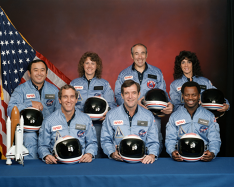
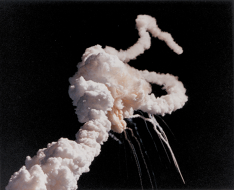
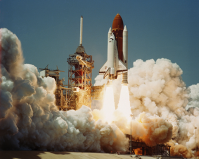
The Space Shuttle Challenger disintegrated 73 seconds after liftoff when a failing O-ring allowed burning gas to breach the solid rocket booster and external tank. This tragedy killed all seven crew members and forced a 32-month suspension of the shuttle program while exposing how NASA managers ignored known engineering flaws due to launch pressure.
January 28, 1986
40 years ago
Key Figures & Places
What Else Happened on January 28
He wasn't even in Rome when power landed in his lap. Trajan, a Spanish-born military commander, was literally at the edges of the empire when word came that he'…
The most powerful man in Europe died wearing a white linen shirt and surrounded by chanting monks. Charlemagne - who'd unified most of Western Europe, created a…
sacre du roi de Francie Charles III le Simple.
He rode into Durham like he owned the place — which, technically, he did. Robert de Comines, freshly minted Earl of Northumbria by William the Conqueror, couldn…
He walked barefoot through snow, wearing a hair shirt, begging forgiveness. The most powerful monarch in Europe reduced to a supplicant, waiting three days outs…
Holy Roman Emperor Henry IV knelt in the snow outside Canossa Castle for three days, begging Pope Gregory VII to rescind his excommunication. By granting absolu…
Talk to History
Have a conversation with historical figures who witnessed this era. Ask questions, explore perspectives, and bring history to life.