

We Are the World Recorded: Music Fights Ethiopian Famine
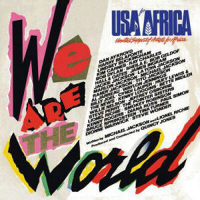
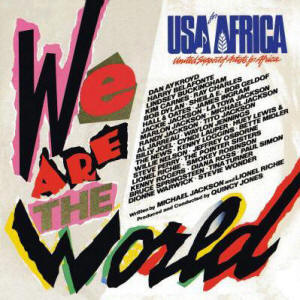
Forty-five of the biggest names in American music crowded into A&M Recording Studios in Hollywood on the night of January 28, 1985, and in a single ten-hour session recorded a song that would raise $63 million for famine relief in Africa. "We Are the World," written by Michael Jackson and Lionel Richie and produced by Quincy Jones, became one of the best-selling singles of all time and the defining moment of celebrity humanitarian activism in the 1980s. The session was organized with military precision. Jones famously posted a sign on the studio door: "Check your egos at the door." The artists—including Bruce Springsteen, Stevie Wonder, Bob Dylan, Tina Turner, Diana Ross, Ray Charles, Billy Joel, and Paul Simon—had gathered immediately after the American Music Awards ceremony, arriving at the studio around 10 p.m. Each received a demo cassette and lyric sheet. Jones and Richie assigned solo lines based on each singer''s vocal strengths. The chorus was recorded with the entire group singing together, shoulder to shoulder in a semicircle. The recording session produced moments of tension and magic in equal measure. Dylan, famously private, struggled with his solo line until Stevie Wonder improvised a Dylan impression to help him find the right phrasing. Ray Charles, nearly the oldest performer in the room, delivered his solo with an emotional power that brought the session to a hush. Prince, notably, declined to participate in person but contributed a guitar track separately. The finished recording was mixed and mastered within days. "We Are the World" was released on March 7, 1985, and sold over 20 million copies worldwide. The proceeds, channeled through USA for Africa, funded food, medical supplies, and development programs in Ethiopia and other African nations suffering from catastrophic drought and famine. The song''s impact extended beyond the money: it demonstrated that popular culture could mobilize global humanitarian response at a scale that governments had failed to achieve, and it inspired a generation of benefit concerts, telethons, and celebrity-driven activism that continues today.
January 28, 1985
41 years ago
Key Figures & Places



What Else Happened on January 28
He wasn't even in Rome when power landed in his lap. Trajan, a Spanish-born military commander, was literally at the edges of the empire when word came that he'…
The most powerful man in Europe died wearing a white linen shirt and surrounded by chanting monks. Charlemagne - who'd unified most of Western Europe, created a…
He rode into Durham like he owned the place — which, technically, he did. Robert de Comines, freshly minted Earl of Northumbria by William the Conqueror, couldn…
Holy Roman Emperor Henry IV knelt in the snow outside Canossa Castle for three days, begging Pope Gregory VII to rescind his excommunication. By granting absolu…
He walked barefoot through snow, wearing a hair shirt, begging forgiveness. The most powerful monarch in Europe reduced to a supplicant, waiting three days outs…
Six dancers burned alive. The king barely escaped. What started as a lavish masquerade at the Hôtel Saint-Pol turned into a horrific spectacle when one performe…
Talk to History
Have a conversation with historical figures who witnessed this era. Ask questions, explore perspectives, and bring history to life.