

Stamp Act Takes Effect: Britain Taxes the Colonies, Revolution Brews
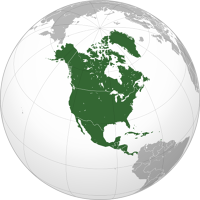
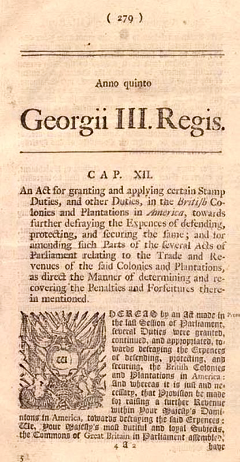
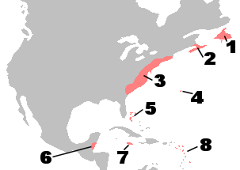
The British Parliament forces a tax on paper goods across the thirteen colonies to fund their North American military presence. This move sparks immediate boycotts and unites disparate colonial groups against imperial overreach, directly fueling the organized resistance that ignites the American Revolution.
November 1, 1765
261 years ago
Key Figures & Places


What Else Happened on November 1
bataille d'Issos en Cilicie, partie de la Turquie actuelle alors sous la domination impériale perse achéménide de Darius III, qui se conclut par une deuxième vi…
Der römische Feldherr Sulla besiegt in der Schlacht am Collinischen Tor die Gefolgsleute des Marius und die Samniten. Danach wird ihm in Rom die Diktatur übertr…
Roman Emperor Valentinian I received word that the Alemanni had breached the Rhine frontier, launching a massive raid into Gaul. This breach forced the emperor …
The emperor packed up and personally moved to Paris. Not a general, not a deputy — Valentinian I himself relocated his command to a city most Romans still consi…
clôture du concile de Chalcédoine (4e œcuménique).
Unter dem römischen Papst Gregor III. beginnt eine Synode, in deren Verlauf die Ikonoklasten verurteilt werden, was aber faktisch ohne Wirkung bleibt. Der byzan…
Talk to History
Have a conversation with historical figures who witnessed this era. Ask questions, explore perspectives, and bring history to life.