

Siege of Paris Ends: France Surrenders to Prussia
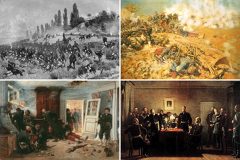
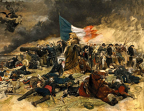
The Prussian army forces France to surrender after a five-month siege, ending the conflict with an armistice that cedes Alsace-Lorraine to Germany. This territorial loss fuels decades of French revanchism and directly sets the conditions for World War I. The defeat also shatters the Second Empire, paving the way for the Third Republic to rise from the ashes.
January 28, 1871
155 years ago
Key Figures & Places
What Else Happened on January 28
He wasn't even in Rome when power landed in his lap. Trajan, a Spanish-born military commander, was literally at the edges of the empire when word came that he'…
The most powerful man in Europe died wearing a white linen shirt and surrounded by chanting monks. Charlemagne - who'd unified most of Western Europe, created a…
sacre du roi de Francie Charles III le Simple.
He rode into Durham like he owned the place — which, technically, he did. Robert de Comines, freshly minted Earl of Northumbria by William the Conqueror, couldn…
He walked barefoot through snow, wearing a hair shirt, begging forgiveness. The most powerful monarch in Europe reduced to a supplicant, waiting three days outs…
Holy Roman Emperor Henry IV knelt in the snow outside Canossa Castle for three days, begging Pope Gregory VII to rescind his excommunication. By granting absolu…
Talk to History
Have a conversation with historical figures who witnessed this era. Ask questions, explore perspectives, and bring history to life.