

Martin Luther Posts 95 Theses: The Protestant Reformation Begins
Martin Luther nailed his ninety-five theses to the Castle Church door in Wittenberg, igniting a religious schism that shattered the Catholic Church's monopoly across Europe. This act triggered decades of wars and forced monarchs to choose between papal authority and emerging national identities, permanently redrawing the continent's spiritual and political map.
October 31, 1517
509 years ago
Key Figures & Places
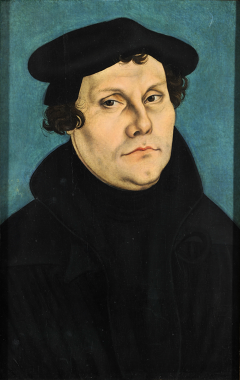
Martin Luther
Wikipedia
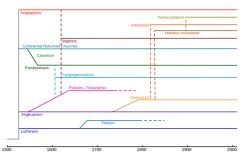
Protestant Reformation
Wikipedia
95 theses
Wikipedia
Wittenberg
Wikipedia
Reformation
Wikipedia

Martin Luther
Wikipedia

Ninety-five Theses
Wikipedia

All Saints' Church, Wittenberg
Wikipedia

Wittenberg
Wikipedia
Calendar of saints (Church of England)
Wikipedia

Germany
Wikipedia
Quincentenario de la Reforma 2017
Wikipedia

Château de Wittemberg
Wikipedia

Electorate of Saxony
Wikipedia

United Nations Convention Against Torture
Wikipedia

Lutherdenkmal (Lutherstadt Wittenberg)
Wikipedia

Johann Gottfried Schadow
Wikipedia

Karl Friedrich Schinkel
Wikipedia

Indulgence
Wikipedia

Protestantismo no Brasil
Wikipedia
What Else Happened on October 31
Léon (° en 467), petit-fils de l'empereur byzantin Léon Ier, est proclamé César.
The teenage Romulus Augustulus ascended the throne as the final Western Roman Emperor, a puppet ruler installed by his father, Orestes. His brief, powerless rei…
During the Second Islamic Civil War, Umayyad forces besieged Mecca to crush a rival caliph. They launched flaming projectiles over the city walls. One struck th…
Conspirators toppled Empress Irene and exiled her to Lesbos, installing Finance Minister Nikephoros as the new Byzantine emperor. This violent transition ended …
General Mu'nis al-Muzaffar slaughters Caliph al-Muqtadir during a failed military confrontation, ending the ruler's reign through direct violence. This brutal c…
couronnement de l'antipape Clément VII, début du Grand Schisme d'Occident.
Talk to History
Have a conversation with historical figures who witnessed this era. Ask questions, explore perspectives, and bring history to life.