

Sir Walter Raleigh Beheaded: The Last Elizabethan
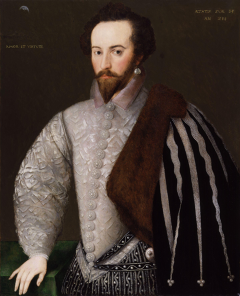
English authorities execute Sir Walter Raleigh on charges of plotting against King James I, ending a life defined by his failed Virginia colony expeditions and the popular *History of the World*. This brutal conclusion extinguished one of England's most vocal critics of royal policy, silencing a man whose writings had long challenged the crown's colonial ambitions.
October 29, 1618
408 years ago
Key Figures & Places

What Else Happened on October 29
Cyrus the Great walked into Babylon in 539 BCE without a battle. The priests had opened the gates for him — they hated their own king. He immediately issued a d…
Caída de Babilonia. Ciro el Grande anexa el territorio a Persia, terminando con más de 1200 años de Imperio babilónico. Tras tomar la ciudad, Ciro libera a los …
Constantine entered Rome in 312 after defeating Maxentius at the Milvian Bridge, where his rival drowned in the Tiber wearing full armor. Soldiers fished out th…

Valentinian III was six years old when he became Western Emperor. Licinia Eudoxia was probably around the same age. The marriage united the two halves of the Ro…
Byzantine forces reclaimed Antioch from the Hamdanid dynasty, ending over three centuries of Arab control. This victory restored the city as a critical eastern …
Tropas bizantinas ocupam Antioquia, na Síria.
Talk to History
Have a conversation with historical figures who witnessed this era. Ask questions, explore perspectives, and bring history to life.