

Harvard Founded: America's First University
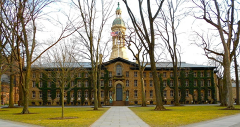
The Great and General Court of the Massachusetts Bay Colony voted to establish a college for training clergy, creating an institution that eventually became Harvard University. This decision launched the oldest center of higher learning in the United States, shaping American education for over three centuries.
October 28, 1636
390 years ago
Key Figures & Places


What Else Happened on October 28
The Praetorian Guard forced Emperor Nerva to adopt Trajan as his heir. Nerva was 66 and childless. The Guard had murdered his predecessor. They wanted a militar…
Maxentius declared himself Roman Emperor after his father's failed comeback attempt. The Praetorian Guard backed him. Rome's citizens backed him. The actual emp…

Constantine's army was outnumbered three-to-one. Maxentius held Rome and controlled the bridge across the Tiber. Constantine claimed he saw a cross in the sky w…
Visigothic forces sacked Braga, capital of the Suevi kingdom in northwest Iberia. They burned the city's churches to the ground. The Suevi had converted to Cath…
en Yaxchilán (México) la dama Xok, esposa del rey Escudo Jaguar II se hace pasar una cuerda con púas de obsidiana a través de un agujero en la lengua.
Karl der Große erlässt das Capitulare Saxonicum. Das Gesetz ersetzt Todesstrafen durch Geldstrafen und stellt die unterworfenen Sachsen den anderen Völkern des …
Talk to History
Have a conversation with historical figures who witnessed this era. Ask questions, explore perspectives, and bring history to life.