

Treaty of San Lorenzo: US and Spain Set Mississippi Boundary
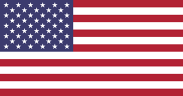
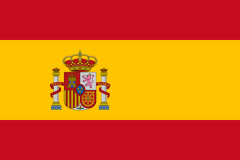
The United States and Spain signed the Treaty of Madrid to settle a decade of border disputes by fixing the southern boundary at the 31st parallel and granting American navigation rights on the Mississippi River. This agreement secured vital trade access for western farmers and eased tensions enough to allow the young nation to focus its expansion efforts westward rather than fighting a war with Spain.
October 27, 1795
231 years ago
Key Figures & Places

What Else Happened on October 27
Mit der Adoption des 44-jährigen Trajan durch den kinderlosen Kaiser Nerva beginnt im Römischen Reich die Zeit der Adoptivkaiser.
Constantine the Great reportedly saw a radiant cross in the sky above the sun before his battle against Maxentius. This vision compelled him to adopt the Chi-Rh…
en el mar Mediterráneo, los sarracenos invaden la isla de Cerdeña.
début de l'invasion arabe en Sardaigne.
Saracen raiders landed on Sardinia's southern coast. They burned villages, seized captives for slave markets, destroyed churches. The island had no unified defe…
Æthelstan, the architect of a unified England, died at Gloucester, leaving behind a consolidated kingdom that had successfully repelled Viking incursions. His h…
Talk to History
Have a conversation with historical figures who witnessed this era. Ask questions, explore perspectives, and bring history to life.