

South Korean President Park Assassinated by His Own Intelligence Chief
Kim Jae-gyu, head of South Korea's intelligence agency, shot and killed President Park Chung-hee in a shocking act of political violence that instantly destabilized the nation. The assassination triggered a power vacuum filled by Choi Kyu-hah as acting president, while Kim faced execution the following May, signaling the end of Park's long authoritarian rule and opening a turbulent path toward eventual democratization.
October 26, 1979
47 years ago
Key Figures & Places
President of South Korea
Wikipedia
May
Wikipedia
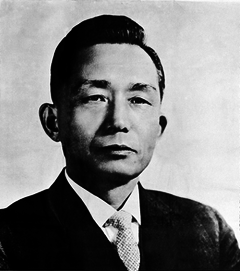
Park Chung-hee
Wikipedia
Park Chung-hee assassination
Wikipedia
KCIA
Wikipedia
Kim Jae-kyu
Wikipedia
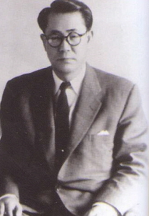
Choi Kyu-ha
Wikipedia

Choi Kyu-hah
Wikipedia
Assassination of Park Chung-hee
Wikipedia

Kim Jae-gyu
Wikipedia

Korean Central Intelligence Agency
Wikipedia
What Else Happened on October 26
Roman soldiers arrested Demetrius during Emperor Diocletian's persecution of Christians. He was a deacon in Thessaloniki, secretly baptizing converts. They lock…
Der Apollontempel zu Daphne brennt bis auf die Grundmauern nieder. Der römische Kaiser Julian bezichtigt die Christen der Brandstiftung und lässt zahlreiche Kir…
en la basílica de Santa María la Mayor (Roma), los seguidores del papa Dámaso I atacan a los seguidores del papa Ursino ―que hoy se cuenta entre los 36 antipapa…
The earthquake hit Constantinople at dawn. The city walls cracked. The aqueduct collapsed. Thousands died in their homes. Emperor Leo III was in the palace when…
en Constantinopla (Imperio bizantino) se registra un fuerte terremoto.
bataille de Kojima (guerre de Genpei), les hommes du clan Minamoto l'emportent sur ceux du clan Taira.
Talk to History
Have a conversation with historical figures who witnessed this era. Ask questions, explore perspectives, and bring history to life.