

Smallpox Eradicated: Last Natural Case Confirmed
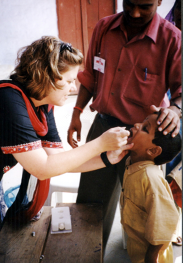
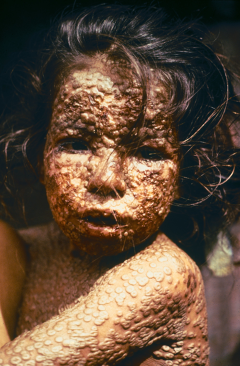
Ali Maow Maalin, a 23-year-old hospital cook in Merca, Somalia, developed the telltale rash of variola minor on October 26, 1977, and became the last person on Earth to contract smallpox through natural transmission. He survived. The disease that had killed an estimated 300 million people in the twentieth century alone, more than all the century's wars combined, was finished. The World Health Organization's Intensified Eradication Program, launched in 1967 under the direction of American epidemiologist Donald Alas Henderson, had pursued the virus across every continent for a decade. The strategy was not mass vaccination, which would have been logistically impossible in remote regions of Africa and South Asia, but "ring vaccination": identify every new case, isolate the patient, and vaccinate every person within the surrounding area to break the chain of transmission. Teams traveled by jeep, helicopter, camel, and canoe to reach villages that had never seen a doctor. By the early 1970s, smallpox had been eliminated from South America, Asia, and most of Africa. The final holdouts were Ethiopia, where civil war complicated access, and Somalia, where nomadic populations moved across borders constantly. Maalin's case was traced to contact with two children he had escorted to a hospital. WHO teams vaccinated everyone in his district. When no new cases appeared after weeks of surveillance, epidemiologists began to believe they had reached the end. The WHO waited two full years after Maalin's recovery before declaring victory, maintaining global surveillance to ensure no hidden cases remained. On May 8, 1980, the World Health Assembly formally certified that smallpox had been eradicated, the first and still only human disease to be deliberately eliminated from nature. The eradication of smallpox remains the single greatest achievement in the history of public health. The campaign cost approximately $300 million over thirteen years, a fraction of what a single year of continued vaccination would have cost. Samples of the virus survive today in two high-security laboratories in the United States and Russia, and whether to destroy them remains one of the most contentious questions in bioethics.
October 26, 1977
49 years ago
Key Figures & Places
World Health Organization
Wikipedia
vaccination
Wikipedia
smallpox
Wikipedia
Somalia
Wikipedia
Centers for Disease Control and Prevention
Wikipedia

Ali Maow Maalin
Wikipedia

Smallpox
Wikipedia

World Health Organization
Wikipedia

Centers for Disease Control and Prevention
Wikipedia

Vaccination
Wikipedia

Merca (Somalia)
Wikipedia
What Else Happened on October 26
Roman soldiers arrested Demetrius during Emperor Diocletian's persecution of Christians. He was a deacon in Thessaloniki, secretly baptizing converts. They lock…
The earthquake hit Constantinople at dawn. The city walls cracked. The aqueduct collapsed. Thousands died in their homes. Emperor Leo III was in the palace when…
The brothers Asen and Peter launched their rebellion against Byzantine rule during the feast of St. Demetrius, cleverly using the saint's celebration to rally l…
John VI Kantakouzenos proclaimed himself Byzantine Emperor at Didymoteicho, starting a six-year civil war. Emperor Andronikos III had just died. His son was nin…
Tvrtko I crowned himself king of Bosnia on October 26, 1377 in a monastery near his capital. He claimed descent from Serbian royalty that didn't exist. The crow…
Charles V's coronation in 1520 made him Holy Roman Emperor at 20. He already ruled Spain, the Netherlands, Austria, Naples, and most of the Americas. His empire…
Talk to History
Have a conversation with historical figures who witnessed this era. Ask questions, explore perspectives, and bring history to life.