

Peace of Westphalia Signed: The Modern Nation-State System Born
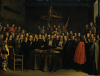
Diplomats from across Europe signed the Peace of Westphalia treaties in Munster and Osnabruck, ending both the Thirty Years' War and the Eighty Years' War in a single comprehensive settlement. The agreements established the principle of national sovereignty that still governs international relations, making this the founding moment of the modern state system.
October 24, 1648
378 years ago
Key Figures & Places
What Else Happened on October 24
Cicéron prononce ou envoie à Rome la deuxième de ses Philippiques contre Marc Antoine, entre une première le 2 septembre précédent puis de nouvelles à partir du…

Vitellius had held Rome for eight months. His soldiers were drunk and undisciplined. Antonius Primus commanded legions from the Danube—hardened troops who'd bee…
Vespasian’s legions crushed the forces of Emperor Vitellius at the Second Battle of Bedriacum, ending the chaotic Year of the Four Emperors. This decisive victo…
date supposée de la destruction de Pompéi, anciennement supposée le 24 août de la même année.
وقوع معركة كربلاء بين الإمام الحسين بن علي بن أبي طالب وأهل بيته وأصحابه وجيش يزيد بن معاوية.
avènement du roi des Francs Robert II, le roi franc de l'an Mille.
Talk to History
Have a conversation with historical figures who witnessed this era. Ask questions, explore perspectives, and bring history to life.