Moscow Theatre Siege: Chechen Hostage Crisis Begins
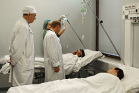
Forty to fifty armed Chechen militants stormed the Dubrovka Theatre in Moscow during a sold-out performance of the musical Nord-Ost on the evening of October 23, 2002, taking approximately 850 hostages in what became the most audacious terrorist attack in Russia's capital since the Chechen wars began. The attackers, led by Movsar Barayev, had strapped explosives to their bodies and wired the theater with bombs. They demanded the immediate withdrawal of Russian forces from Chechnya. The siege locked down central Moscow for two and a half days. Inside the theater, hostages sat in their seats surrounded by female militants wearing explosive vests. The attackers allowed some children and Muslim hostages to leave but executed two female captives during negotiations, demonstrating their willingness to kill. Russian special forces faced an impossible tactical problem: the theater's layout meant any direct assault would require fighting through a hundred feet of corridor and up a fortified staircase, giving the militants ample time to detonate their charges. On the morning of October 26, Russian Spetsnaz operators from the FSB's Alpha and Vega groups pumped an aerosolized chemical agent, later identified as a fentanyl derivative, through the building's ventilation system. When the gas took effect, soldiers stormed the theater and killed all the militants. None of the attackers survived. But the gas that subdued the terrorists also killed approximately 130 hostages, nearly all from the chemical agent rather than gunfire or explosions. Russian authorities initially refused to identify the substance, preventing doctors at overwhelmed Moscow hospitals from administering proper antidotes. The crisis deepened Vladimir Putin's resolve to prosecute the Second Chechen War to total victory. Civil liberties restrictions tightened across Russia in the aftermath, with the government citing security needs. Medical professionals who criticized the gas deployment and journalists who investigated the incident faced official pressure. The Dubrovka siege remains a defining event of modern Russian history, remembered for both the horror of the attack and the devastating cost of the rescue.
October 23, 2002
24 years ago
Key Figures & Places
What Else Happened on October 23
Archbishop James Ussher calculated that God created the world on October 23, 4004 BC, at nightfall preceding Sunday. He worked backward through Biblical genealo…
Brutus's army collapsed at Philippi in 42 BC, three weeks after his co-commander Cassius had killed himself following a defeat. Brutus ran himself through with …
Mark Antony and Octavian decisively defeated Brutus at the second Battle of Philippi on October 23, 42 BC, three weeks after the inconclusive first engagement. …
Six-year-old Valentinian III ascended the throne as Western Roman Emperor, placing the imperial administration under the firm control of his mother, Galla Placi…
The Synodus Palmaris cleared Pope Symmachus of all charges. King Theoderic the Great had called the council after rivals accused Symmachus of celebrating Easter…
The Synodus Palmaris acquitted Pope Symmachus in 502 of all charges brought by Antipope Laurentius, ending a four-year schism. Gothic King Theodoric the Great c…
Talk to History
Have a conversation with historical figures who witnessed this era. Ask questions, explore perspectives, and bring history to life.