

Cuban Missile Crisis: Kennedy Addresses the Nation, Nuclear War Possible
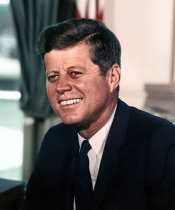
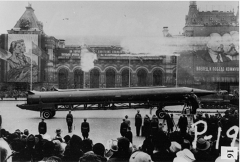
President Kennedy activated a naval quarantine and placed global forces on DEFCON 3 to halt Soviet missile shipments to Cuba after revealing the weapons' presence in a televised address. This decisive move forced Khrushchev into negotiations that ultimately dismantled the offensive threat while establishing a direct hotline between Washington and Moscow to prevent future nuclear brinkmanship.
October 22, 1962
64 years ago
Key Figures & Places
What Else Happened on October 22
según los cálculos del arzobispo anglicano norirlandés James Ussher (1581‑1656), basado en las cronologías del Libro del génesis (de la Biblia), a las 18:00 del…
A mysterious fire razed the temple of Apollo at Daphne, silencing one of the Roman Empire’s most celebrated oracles. Emperor Julian blamed local Christians for …
The Council of Chalcedon finalized the definition of Christ’s dual nature as fully divine and fully human. This theological consensus fractured the early Church…
The Council of Chalcedon defined Christ as one person in two natures, fully divine and fully human, united without confusion or change. The formula was a compro…
Emperor Kanmu moved Japan's capital to Heiankyo in 794 to escape the political power of Buddhist monasteries in Nara. The monks had grown too influential, too r…
Abbasid general Ahmad ibn Kayghalagh raided Byzantine territory in 906, penetrating deep into Anatolia and returning with 4,000 to 5,000 captives. The raid was …
Talk to History
Have a conversation with historical figures who witnessed this era. Ask questions, explore perspectives, and bring history to life.