

100,000 March on Pentagon: Vietnam Protest Surges
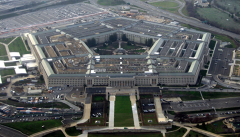
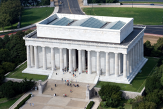
Between 75,000 and 100,000 demonstrators gathered at the Lincoln Memorial in Washington, D.C. on October 21, 1967, for what organizers called the March on the Pentagon, the largest antiwar demonstration in American history to that point. After hours of speeches from figures including Dr. Benjamin Spock and novelist Norman Mailer, roughly 35,000 of the protesters crossed the Arlington Memorial Bridge and marched directly to the headquarters of the U.S. Department of Defense. The demonstration had been organized by the National Mobilization Committee to End the War in Vietnam, a coalition of antiwar groups that represented the growing breadth of opposition to the conflict. By late 1967, more than 13,000 Americans had been killed in Vietnam, draft calls were rising sharply, and public approval of President Lyndon Johnson's handling of the war had fallen below 30 percent. The march drew not only longtime peace activists but also middle-class families, clergy, and veterans. What began as a peaceful rally turned confrontational at the Pentagon's north parking lot. Several hundred demonstrators breached a line of military police and reached the building's steps, where federal marshals and soldiers from the 82nd Airborne Division met them with rifle butts and tear gas. Hundreds were arrested over two days. Photographer Bernie Boston captured an iconic image of a young protester inserting flowers into the barrels of soldiers' rifles, a photograph that came to symbolize the era. The march failed to change policy immediately, but its scale and visibility marked a turning point. Within five months, the Tet Offensive shattered official optimism about the war, Johnson announced he would not seek reelection, and the antiwar movement became a defining force in American politics. Parallel demonstrations in London, Paris, Tokyo, and West Berlin that same day signaled that opposition to the war had become a global phenomenon.
October 21, 1967
59 years ago
Key Figures & Places

What Else Happened on October 21
Pope Eusebius died in exile on Sicily just sixty-five days after Emperor Maxentius banished him for his rigid stance on readmitting apostates to the church. His…
The People's Crusade never made it to Jerusalem. Peasants, not knights—untrained, poorly armed, following a preacher named Peter the Hermit. They reached Consta…
The People's Crusade reached Anatolia in 1096 — 20,000 peasants, barely armed, led by a charismatic preacher named Peter the Hermit. They'd marched from Europe …
The People's Crusade ended in a Turkish ambush on October 21, 1096. Peter the Hermit had led 40,000 peasants to Constantinople without armor or training. They'd…
Crusader armies began the siege of Antioch with no siege equipment. The city's walls were 30 feet high and studded with 400 towers. The Crusaders had no navy to…
Pope Innocent III crowned Otto IV as Holy Roman Emperor in Rome, formalizing his authority over the fractured German territories. This alliance proved fragile, …
Talk to History
Have a conversation with historical figures who witnessed this era. Ask questions, explore perspectives, and bring history to life.