

Aberfan Disaster: Slag Heap Kills 144, Mostly Children
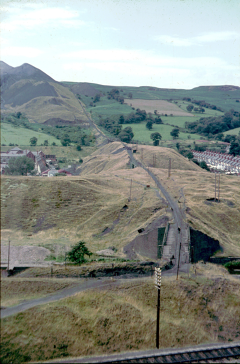
A river of black slurry, 140,000 cubic yards of coal waste saturated by days of heavy rain, broke free from a mountainside tip above the village of Aberfan in South Wales at 9:15 on the morning of October 21, 1966. The liquefied mass traveled downhill at tremendous speed, engulfing a row of terraced houses and then smashing directly into Pantglas Junior School, where children had just returned to their classrooms after morning assembly. The disaster killed 144 people. Of those, 116 were children between the ages of seven and ten, nearly an entire generation of the small mining community. Rescue teams from surrounding collieries arrived within minutes, digging with their bare hands through the thick black sludge, but the sheer weight and density of the waste made the work agonizingly slow. Most victims died from asphyxiation in the first moments of the slide. The National Coal Board, which owned the tip, had built it directly on top of natural springs on the hillside above the school, despite local complaints about its stability dating back years. A government tribunal of inquiry, led by Lord Justice Edmund Davies, concluded that the disaster was entirely the result of the Coal Board's negligence and ignorance. The Board's chairman, Lord Robens, initially tried to blame natural causes and did not visit the scene until the day after the slide, a delay that deepened public fury. The aftermath exposed raw failures of institutional accountability. The government initially refused to fund the removal of remaining tips above the village, and the disaster fund raised by public donations was controversially raided to help pay for the work. Full restitution to the village did not come until 1997. Aberfan transformed attitudes toward corporate responsibility for industrial waste and remains one of the most emotionally searing disasters in British history. The village still holds a memorial service every October 21.
October 21, 1966
60 years ago
Key Figures & Places
What Else Happened on October 21
Pope Eusebius died in exile on Sicily just sixty-five days after Emperor Maxentius banished him for his rigid stance on readmitting apostates to the church. His…
The People's Crusade never made it to Jerusalem. Peasants, not knights—untrained, poorly armed, following a preacher named Peter the Hermit. They reached Consta…
The People's Crusade reached Anatolia in 1096 — 20,000 peasants, barely armed, led by a charismatic preacher named Peter the Hermit. They'd marched from Europe …
The People's Crusade ended in a Turkish ambush on October 21, 1096. Peter the Hermit had led 40,000 peasants to Constantinople without armor or training. They'd…
Crusader armies began the siege of Antioch with no siege equipment. The city's walls were 30 feet high and studded with 400 towers. The Crusaders had no navy to…
Pope Innocent III crowned Otto IV as Holy Roman Emperor in Rome, formalizing his authority over the fractured German territories. This alliance proved fragile, …
Talk to History
Have a conversation with historical figures who witnessed this era. Ask questions, explore perspectives, and bring history to life.