

Apollo 1 Fire Kills Three Astronauts: Grissom, White, and Chaffee
A flash fire erupts inside the sealed Apollo 1 capsule during a pre-launch test, instantly killing astronauts Gus Grissom, Edward White, and Roger Chaffee. The tragedy forces NASA to strip away decades of secrecy, mandating an open-air redesign that ultimately saved future crews by eliminating flammable materials and rethinking launch protocols.
January 27, 1967
59 years ago
Key Figures & Places

Florida
Wikipedia

Kennedy Space Center
Wikipedia
Apollo program
Wikipedia
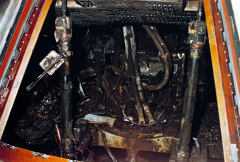
Apollo 1
Wikipedia
Astronaut
Wikipedia
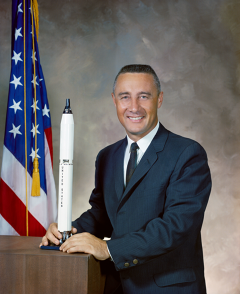
Gus Grissom
Wikipedia
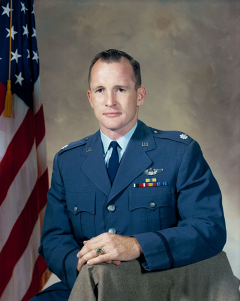
Edward Higgins White
Wikipedia
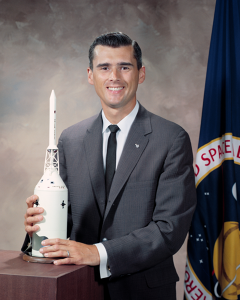
Roger Chaffee
Wikipedia

Apollo program
Wikipedia

Astronaut
Wikipedia

Gus Grissom
Wikipedia

Ed White
Wikipedia

Roger B. Chaffee
Wikipedia

Apollo 1
Wikipedia

Kennedy Space Center
Wikipedia

Florida
Wikipedia

Cape Canaveral
Wikipedia
Plugs-Out-Test
Wikipedia

NASA
Wikipedia
1930
Wikipedia
1935
Wikipedia
1926
Wikipedia

Apollo 11
Wikipedia
What Else Happened on January 27
Trajan ascended to the throne upon Nerva’s death, becoming the first Roman emperor from a province rather than Italy. His reign initiated the era of the Five Go…
Trajan ascended to the throne following Nerva’s death, becoming the first Roman emperor to hail from a province rather than Italy itself. His reign expanded the…
Trajan succeeded his adoptive father Nerva as Roman Emperor, beginning a nineteen-year reign that would expand the empire to its greatest territorial extent thr…
Heresy wasn't just a theological debate—it was personal. Pope Innocent I was drawing a hard line against Pelagius, a British monk who'd argued humans could achi…
The Byzantine emperor's back was against the wall. Justinian I was moments from fleeing the city, his wife Theodora — a former actress and courtesan — delivered…
Ali ibn Abi Talib was stabbed while praying in a mosque in Kufa, Iraq - the first major political assassination in Islamic history. A Kharijite radical named Ib…
Talk to History
Have a conversation with historical figures who witnessed this era. Ask questions, explore perspectives, and bring history to life.