

Indian Territory Created: Congress Clears Land for Native Removal
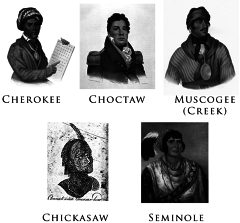
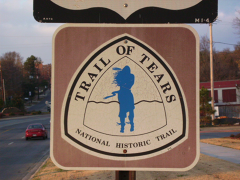
Congress approved the creation of Indian Territory in present-day Oklahoma, establishing the legal framework for the forced removal of Eastern Native American nations from their ancestral lands. This legislation enabled the subsequent Trail of Tears, during which tens of thousands of Cherokee, Choctaw, Chickasaw, Creek, and Seminole people were marched westward under military escort. Thousands died from exposure, disease, and starvation during the relocations, making this one of the most devastating acts of ethnic cleansing in American history.
January 27, 1825
201 years ago
Key Figures & Places





What Else Happened on January 27
Trajan ascended to the throne upon Nerva’s death, becoming the first Roman emperor from a province rather than Italy. His reign initiated the era of the Five Go…
Trajan ascended to the throne following Nerva’s death, becoming the first Roman emperor to hail from a province rather than Italy itself. His reign expanded the…
Trajan succeeded his adoptive father Nerva as Roman Emperor, beginning a nineteen-year reign that would expand the empire to its greatest territorial extent thr…
Heresy wasn't just a theological debate—it was personal. Pope Innocent I was drawing a hard line against Pelagius, a British monk who'd argued humans could achi…
The Byzantine emperor's back was against the wall. Justinian I was moments from fleeing the city, his wife Theodora — a former actress and courtesan — delivered…
Ali ibn Abi Talib was stabbed while praying in a mosque in Kufa, Iraq - the first major political assassination in Islamic history. A Kharijite radical named Ib…
Talk to History
Have a conversation with historical figures who witnessed this era. Ask questions, explore perspectives, and bring history to life.