Guy Fawkes Trial Begins: Gunpowder Plot Unravels
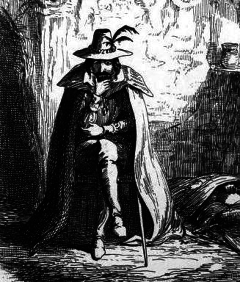
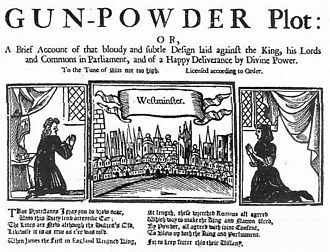
Eight men were brought into Westminster Hall on January 27, 1606, to stand trial for the most audacious assassination attempt in English history: a plot to blow up the House of Lords during the State Opening of Parliament, killing King James I, the entire royal family, and virtually every leading figure in English government. The Gunpowder Plot, had it succeeded, would have been the deadliest terrorist attack the world had yet seen. The conspiracy had been organized by Robert Catesby, a charismatic Catholic gentleman radicalized by decades of persecution under Protestant rule. Catesby recruited a cell of Catholic conspirators including Thomas Wintour, Thomas Percy, and most famously Guy Fawkes, a Catholic soldier with military experience in the Spanish Netherlands. Their plan was straightforward: rent a cellar beneath the House of Lords, fill it with gunpowder, and detonate it when the king and Parliament were assembled above. Fawkes, the explosives expert, was placed in charge of the 36 barrels—approximately 2,500 pounds of gunpowder. The plot unraveled on October 26, 1605, when an anonymous letter warned Catholic Lord Monteagle to avoid the opening of Parliament. The letter was forwarded to Robert Cecil, the Secretary of State, who may have known about the conspiracy for weeks. Fawkes was discovered in the cellar on November 5, arrested, and tortured on the rack until he revealed his co-conspirators. Catesby and several others were killed resisting arrest at Holbeach House in Staffordshire. The surviving plotters were brought to trial. The trial was a formality—the verdict was predetermined. All eight defendants were found guilty of high treason and sentenced to be hanged, drawn, and quartered, the most gruesome punishment in English law. The government used the plot to justify intensified persecution of English Catholics, imposing new penal laws that barred them from voting, holding office, or practicing law. The anniversary of the plot''s failure, November 5, became Guy Fawkes Night—a national celebration of Protestant survival that is still observed with bonfires and fireworks over four centuries later.
January 27, 1606
420 years ago
Key Figures & Places
What Else Happened on January 27
Trajan ascended to the throne upon Nerva’s death, becoming the first Roman emperor from a province rather than Italy. His reign initiated the era of the Five Go…
Trajan ascended to the throne following Nerva’s death, becoming the first Roman emperor to hail from a province rather than Italy itself. His reign expanded the…
Trajan succeeded his adoptive father Nerva as Roman Emperor on January 28, 98 AD, beginning a nineteen-year reign that would expand the empire to its greatest t…
Heresy wasn't just a theological debate—it was personal. Pope Innocent I was drawing a hard line against Pelagius, a British monk who'd argued humans could achi…
The Byzantine emperor's back was against the wall. Justinian I was moments from fleeing the city, his wife Theodora — a former actress and courtesan — delivered…
Ali ibn Abi Talib was stabbed while praying in a mosque in Kufa, Iraq - the first major political assassination in Islamic history. A Kharijite radical named Ib…
Talk to History
Have a conversation with historical figures who witnessed this era. Ask questions, explore perspectives, and bring history to life.