

Saturday Night Massacre: Nixon Fires the Watergate Prosecutor
President Richard Nixon orders the firing of Attorney General Elliot Richardson and Deputy Attorney General William Ruckelshaus when both men refuse to dismiss Watergate special prosecutor Archibald Cox. Acting quickly, Solicitor General Robert Bork carries out the dismissal, triggering a firestorm that accelerates calls for Nixon's impeachment and seals his political fate within weeks.
October 20, 1973
53 years ago
Key Figures & Places
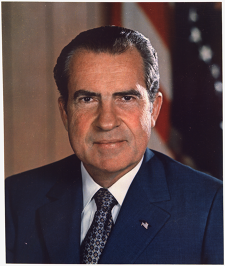
Richard Nixon
Wikipedia
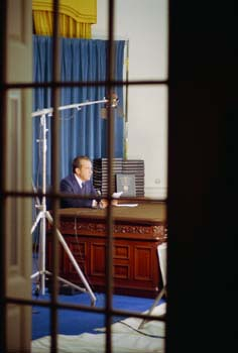
Watergate scandal
Wikipedia
United States Attorney General
Wikipedia
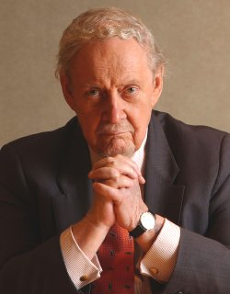
Robert Bork
Wikipedia
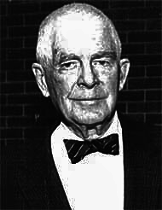
Archibald Cox
Wikipedia
Elliot Richardson
Wikipedia
Attorney General
Wikipedia
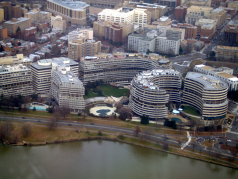
Saturday Night Massacre
Wikipedia
Deputy Attorney General
Wikipedia
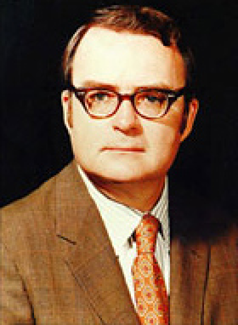
William Ruckelshaus
Wikipedia
United States Deputy Attorney General
Wikipedia
Special prosecutor
Wikipedia

Watergate scandal
Wikipedia

Saturday Night Massacre
Wikipedia

Richard Nixon
Wikipedia

Elliot Richardson
Wikipedia
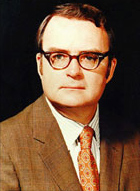
William Ruckelshaus
Wikipedia

Archibald Cox
Wikipedia

Robert Bork
Wikipedia
What Else Happened on October 20
Papst Clemens VI. verbietet die öffentlichen Geißlerzüge der Flagellanten.
en Bélgica, se libra la batalla de Montenaken.
en la actual República Dominicana, Francisco Dávila funda la villa Hato Mayor del Rey como una porción de tierra que se dedicaba a la ganadería y la agricultura…
Kaiser Karl V. landet mit einer Flotte bei Algier, um den algerischen Korsaren das Handwerk zu legen. Ein Unwetter, das die Schiffe zerstreut, und schwere Verlu…
Alonso de Mendoza founded La Paz in a valley 11,975 feet above sea level on orders from Charles V. He named it Nuestra Señora de La Paz—Our Lady of Peace—becaus…
The Duke of Alba crushed William the Silent’s forces at the Battle of Jodoigne, scattering the Dutch rebel army and forcing William into exile. This victory sec…
Talk to History
Have a conversation with historical figures who witnessed this era. Ask questions, explore perspectives, and bring history to life.