

Al Capone Convicted of Tax Evasion: The IRS Gets the Gangster
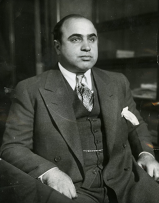
Federal prosecutors pinned Al Capone to the wall with tax evasion charges rather than his violent bootlegging empire, securing a then-record 11-year sentence that ended his reign through legal technicalities and a judge's refusal to let him plead guilty. Despite this high-profile conviction, organized crime in Chicago remained largely untouched as the federal victory failed to dismantle the syndicates he built.
October 17, 1931
95 years ago
Key Figures & Places
What Else Happened on October 17
Cyrus the Great entered Babylon without a battle. The city's priests had turned against their own king. Cyrus issued a decree allowing exiled peoples to return …
Ciro II el Grande rey de Persia marcha a Babilonia, liberando a los judíos de casi 70 años de exilio.
Ricimer defeated the Roman emperor Avitus near Piacenza with help from Majorian. Avitus had ruled for just 14 months. He fled to a church, was made a bishop aga…
Wu Zetian declared herself emperor of China on October 16th, 690, the only woman to ever claim that title outright. She'd been a concubine, then empress consort…
A tornado tore through London on October 17th, 1091, destroying 600 houses and killing two people. Medieval chroniclers said it lifted the roof off a church and…
bataille de Forbie avec une victoire des Ayyoubides sur les croisés.
Talk to History
Have a conversation with historical figures who witnessed this era. Ask questions, explore perspectives, and bring history to life.