

Mao's Long March Begins: 6,000 Miles to Save the Revolution
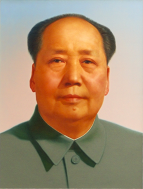
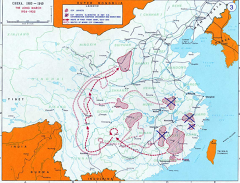
The Red Army's desperate 9,000-kilometer retreat from Jiangxi to Shaanxi whittled their numbers down to one-tenth while consolidating Mao Zedong's authority over the Communist Party. Survivors of this brutal journey emerged with a unified command structure that enabled the eventual establishment of the People's Republic of China.
October 16, 1934
92 years ago
Key Figures & Places


What Else Happened on October 16

Ricimer, the barbarian general who commanded Rome's army, defeated Emperor Avitus at Piacenza and forced him to abdicate. Avitus became a bishop and died two mo…
Wu Zetian declared herself emperor of China, not empress. She changed the title. She was 66 years old and had already ruled from behind the throne for years, fi…
fondation du sanctuaire du mont Saint-Michel par l'évêque Aubert d'Avranches.
Abd ar-Rahman III became Emir of Córdoba on October 15, 912, at age 21. He inherited a collapsing emirate — rebels controlled most of Al-Andalus. He spent 20 ye…
King Otto I crushed a Slavic rebellion on October 16, 955, near the Raxa River in what's now northeastern Germany. The Slavs had revolted against forced Christi…
excommunication du roi Philippe Ier, roi des Francs.
Talk to History
Have a conversation with historical figures who witnessed this era. Ask questions, explore perspectives, and bring history to life.