Black Panther Party Founded: Self-Defense Movement
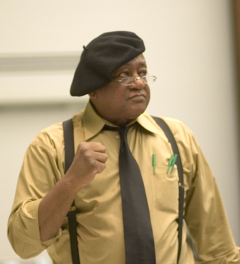
Huey P. Newton and Bobby Seale founded the Black Panther Party for Self-Defense in Oakland, California, on October 15, 1966, drafting a ten-point platform that demanded full employment, decent housing, education, and an immediate end to police brutality against Black Americans. Within three years, the Panthers would become the most influential — and most surveilled — Black revolutionary organization in the country, inspiring both fierce admiration and fierce opposition. Newton and Seale were community college students radicalized by the assassination of Malcolm X and the persistent violence of Oakland police against Black residents. California law at the time allowed citizens to carry loaded firearms in public, and the Panthers used this right to conduct armed "copwatching" patrols, following police cars through Black neighborhoods and observing arrests with law books and shotguns in hand. The tactic was legal, provocative, and immediately effective at reducing police misconduct. The party expanded rapidly beyond armed patrols. The Panthers launched free breakfast programs that fed thousands of children before school each morning, opened free medical clinics, distributed clothing, and offered legal aid. FBI Director J. Edgar Hoover called the Black Panther Party "the greatest threat to the internal security of the country" and made it the primary target of COINTELPRO, the bureau's domestic counterintelligence program. FBI operations included infiltration, disinformation, fabricated letters designed to create internal conflicts, and collaboration with local police in raids that killed several party members. The combination of government repression, internal divisions, and the criminal activities of some members gradually weakened the organization through the 1970s. Newton himself struggled with drug addiction and legal troubles. But the Panthers' legacy extended far beyond their organizational lifespan. Their community programs became models for social services nationwide, their aesthetic influenced global revolutionary movements, and their challenge to systemic racism anticipated debates about policing and racial justice that continue today.
October 15, 1966
60 years ago
Key Figures & Places
What Else Happened on October 15
Belisarius entered Carthage on foot, leading his army through the gates the Vandals had abandoned. He'd recaptured North Africa for Byzantium in a single campai…
The Witan proclaimed Edgar the Ætheling king of England after Harold II's death at Hastings, but the 14-year-old boy was never crowned. Edgar lacked the militar…
Edgar the Ætheling was proclaimed King of England after Harold died at Hastings. He was fifteen, the last male member of the royal house. He was never crowned. …
Henry of Flanders led 260 Latin knights against Theodore Lascaris and 2,000 Byzantine cavalry at the Rhyndacus River. The Latins had conquered Constantinople ei…
Suleiman the Magnificent besieged Vienna for three weeks in 1529 with 120,000 troops, expecting the city to surrender. It didn't. His siege guns were stuck in m…
Ottoman forces abandoned the Siege of Vienna after failing to breach the city walls, signaling the end of their rapid expansion into Central Europe. This retrea…
Talk to History
Have a conversation with historical figures who witnessed this era. Ask questions, explore perspectives, and bring history to life.