Knights Templar Arrested: Friday the 13th Origins
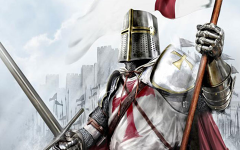
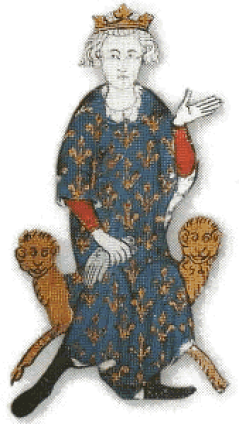
At dawn on Friday, October 13, 1307, royal agents throughout France simultaneously broke down the doors of Templar houses and arrested hundreds of knights on charges of heresy, sodomy, and spitting on the cross. King Philip IV had planned the mass arrest with extraordinary secrecy, and the coordinated strike shocked all of Christendom. The destruction of the most powerful military religious order in medieval Europe gave the date Friday the 13th its enduring association with bad luck. The Knights Templar had been founded in 1119 to protect Christian pilgrims traveling to Jerusalem after the First Crusade. Over two centuries, they had grown from a small band of warrior monks into an enormously wealthy international organization that functioned as one of the first multinational banks. Templar houses across Europe accepted deposits, issued letters of credit, and managed the finances of kings and popes. Their wealth and independence made them a tempting target. Philip IV of France was deeply in debt to the Templars and resented their autonomy from royal authority. Working with Pope Clement V, a Frenchman he had helped install in the papacy, Philip orchestrated the arrests and subsequent trials. Under torture — including the rack, starvation, and foot-roasting — many Templars confessed to the fabricated charges. Those who later recanted their confessions were burned as relapsed heretics. Grand Master Jacques de Molay was held in prison for seven years before being burned at the stake in Paris in March 1314. According to legend, de Molay cursed both Philip and Clement from the flames, calling them to meet him before God within a year. Both men did die within that period — Clement in April and Philip in November — though coincidence rather than divine judgment is the likelier explanation. The Templars' vast properties were transferred to other religious orders, though Philip managed to seize much of their French wealth. The order's dramatic fall from power remains one of the most spectacular acts of political destruction in medieval history.
October 13, 1307
719 years ago
Key Figures & Places
What Else Happened on October 13
Claudius died at dinner after eating mushrooms. He was 63. His wife Agrippina probably poisoned him — she'd married him five years earlier to position her son N…
Nero ascends the throne after Claudius dies from poison, sidelining the emperor's biological son Britannicus. This succession shift unleashes a decade of brutal…
Vandals and Alans breached the Pyrenees on this day, ending Roman administrative control over the Iberian Peninsula. This migration fractured the Western Empire…
Westminster Abbey's current building was consecrated on October 13, 1269, after 23 years of construction. Henry III had demolished the old Norman church to buil…
King Philip the Fair ordered the arrest of hundreds of Knights Templar across France at dawn, crushing a powerful military order that had long held vast wealth …
Rinchinbal Khan ruled the Yuan Dynasty for 53 days. He was 29 when he became emperor, dead at 30. Cause unknown — possibly poisoned. He was the tenth Yuan emper…
Talk to History
Have a conversation with historical figures who witnessed this era. Ask questions, explore perspectives, and bring history to life.