USS Cole Bombed: Terror Strikes in Aden Harbor
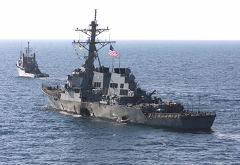
Two men in a small fiberglass boat motored up to the USS Cole as it refueled in Aden harbor, Yemen, on October 12, 2000, waved at sailors on deck, and detonated roughly 400 to 700 pounds of explosives. The blast tore a 40-by-60-foot hole in the destroyer's port side, killing 17 American sailors and wounding 39 more. The attack on the Cole was al-Qaeda's most brazen strike against an American military target before September 11, 2001. The Cole, a guided-missile destroyer, had entered Aden for a routine refueling stop. The harbor was considered a moderate security risk, and the Navy had established procedures for force protection during port visits. But nobody anticipated a suicide attack from a small boat. The explosion struck the ship's galley during lunch, maximizing casualties. The force of the blast buckled the keel and nearly sank the 505-foot warship. The FBI investigation that followed exposed deep failures in American intelligence coordination and counterterrorism policy. Evidence quickly pointed to Osama bin Laden's al-Qaeda network, which had bombed two U.S. embassies in East Africa just two years earlier. Yemeni authorities were uncooperative, and FBI agents found themselves in bureaucratic and jurisdictional battles that hampered the investigation for months. The Clinton administration, in its final weeks, declined to order a military response against al-Qaeda's known bases in Afghanistan. The Cole attack served as a direct precursor to the September 11 attacks eleven months later. Several of the operatives involved had connections to the 9/11 hijackers. The failure to respond decisively to the Cole bombing was later cited by the 9/11 Commission as evidence that the United States had not recognized the full scope of the al-Qaeda threat. The seventeen sailors who died in Aden harbor were among the first American military casualties in what would soon be called the War on Terror.
October 12, 2000
26 years ago
Key Figures & Places

What Else Happened on October 12
Cyrus the Great's forces marched into Babylon on October 12, 539 BC, toppling a millennia-old empire without a battle. This conquest immediately freed Jewish ca…
Cyrus the Great marched his Persian forces into Babylon, ending the Neo-Babylonian Empire without a major battle. By allowing the city’s captive populations, in…
Edwin of Northumbria died at Hatfield Chase with most of his army. He'd united northern England and converted to Christianity. Penda of Mercia and Cadwallon of …
King Ladislaus I established the fortress of Varadinum, formally documenting the site now known as Oradea in a papal bull. This administrative recognition trans…
King John lost the English Crown Jewels in The Wash in 1216 when his baggage train tried to cross the estuary at low tide and misjudged the timing. The tide cam…
Nichiren Shōshū split from other Buddhist schools on October 12, 1279, when Nikko left Mount Minobu after a dispute over doctrine. He founded Taiseki-ji temple …
Talk to History
Have a conversation with historical figures who witnessed this era. Ask questions, explore perspectives, and bring history to life.