Asanuma Assassinated on Live TV: Japan Shocked
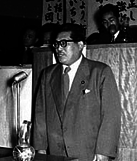
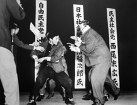
Seventeen-year-old Otoya Yamaguchi charged across the stage with a traditional Japanese sword and plunged it into the abdomen of Socialist Party chairman Inejiro Asanuma — all on live national television. The assassination on October 12, 1960, was captured in a photograph by Yasushi Nagao that would win the Pulitzer Prize, freezing the moment of the blade's impact into one of the most shocking press images of the twentieth century. The killing took place during a televised debate among party leaders at Hibiya Public Hall in Tokyo, ahead of upcoming elections. Asanuma, 61, was a fiery left-wing politician known for his pro-China stance and his declaration, made during a visit to Beijing, that "American imperialism is the common enemy of the people of Japan and China." His rhetoric had made him a lightning rod for right-wing nationalists during one of the most politically turbulent periods in postwar Japan. Yamaguchi was a member of a far-right ultranationalist group and had reportedly been enraged by Asanuma's political positions. He rushed the stage during the debate, drew a yoroi-dōshi (a short samurai sword), and stabbed Asanuma before security could intervene. Asanuma died shortly afterward at a nearby hospital. The killing occurred on live television, and millions of Japanese viewers witnessed the attack as it happened. Yamaguchi was arrested immediately but never stood trial. Three weeks later, he hanged himself in his juvenile detention cell using strips torn from his bedsheets, writing "Long live the Emperor" on the wall in toothpaste. The assassination sent shockwaves through Japanese politics and exposed the violent undercurrents beneath the country's postwar democratic stability. Asanuma's murder became a symbol of the dangers of political extremism and remains one of the most dramatic political killings ever recorded on camera.
October 12, 1960
66 years ago
Key Figures & Places

What Else Happened on October 12
Cyrus the Great's forces marched into Babylon on October 12, 539 BC, toppling a millennia-old empire without a battle. This conquest immediately freed Jewish ca…
Cyrus the Great marched his Persian forces into Babylon, ending the Neo-Babylonian Empire without a major battle. By allowing the city’s captive populations, in…
Edwin of Northumbria died at Hatfield Chase with most of his army. He'd united northern England and converted to Christianity. Penda of Mercia and Cadwallon of …
King Ladislaus I established the fortress of Varadinum, formally documenting the site now known as Oradea in a papal bull. This administrative recognition trans…
King John lost the English Crown Jewels in The Wash in 1216 when his baggage train tried to cross the estuary at low tide and misjudged the timing. The tide cam…
Nichiren Shōshū split from other Buddhist schools on October 12, 1279, when Nikko left Mount Minobu after a dispute over doctrine. He founded Taiseki-ji temple …
Talk to History
Have a conversation with historical figures who witnessed this era. Ask questions, explore perspectives, and bring history to life.