

Nurse Cavell Executed: Firing Squad Shocks the World
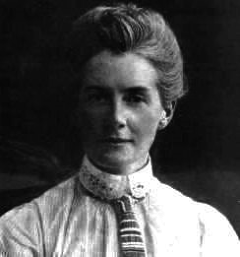
British nurse Edith Cavell faced the German firing squad at dawn on October 12, 1915, in Brussels, having helped approximately 200 Allied soldiers escape from occupied Belgium. Her execution by military authorities who were legally within their rights to carry out the sentence became one of the most effective propaganda events of World War I, generating worldwide outrage against Germany and boosting Allied recruitment for months afterward. Cavell was the matron of the Berkendael Medical Institute in Brussels when Germany occupied Belgium in 1914. She began sheltering wounded Allied soldiers — British, French, and Belgian — and helping them cross the border into neutral Holland using a network of safe houses. The operation rescued an estimated 200 men before German military intelligence uncovered the network in the summer of 1915. Cavell made no attempt to deny her actions when arrested in August 1915. Under German military law, helping enemy soldiers escape was a capital offense regardless of the helper's gender or profession. A military tribunal sentenced her to death, despite diplomatic appeals from the United States and Spain (both neutral at the time) to commute the sentence. The night before her execution, Cavell told the Anglican chaplain who visited her, "Patriotism is not enough. I must have no hatred or bitterness towards anyone." The execution provoked an international backlash that damaged Germany far more than Cavell's escape network ever had. British recruitment doubled in the eight weeks following her death. Newspapers across the world portrayed the killing as proof of German barbarism. Monuments to Cavell were erected in London, Brussels, and several other cities. German military commanders later acknowledged that executing Cavell had been a catastrophic strategic error, handing the Allies a martyr whose quiet courage resonated far beyond the battlefield.
October 12, 1915
111 years ago
Key Figures & Places






What Else Happened on October 12
Cyrus the Great's forces marched into Babylon on October 12, 539 BC, toppling a millennia-old empire without a battle. This conquest immediately freed Jewish ca…
Cyrus the Great marched his Persian forces into Babylon, ending the Neo-Babylonian Empire without a major battle. By allowing the city’s captive populations, in…
Edwin of Northumbria died at Hatfield Chase with most of his army. He'd united northern England and converted to Christianity. Penda of Mercia and Cadwallon of …
King Ladislaus I established the fortress of Varadinum, formally documenting the site now known as Oradea in a papal bull. This administrative recognition trans…
King John lost the English Crown Jewels in The Wash in 1216 when his baggage train tried to cross the estuary at low tide and misjudged the timing. The tide cam…
Nichiren Shōshū split from other Buddhist schools on October 12, 1279, when Nikko left Mount Minobu after a dispute over doctrine. He founded Taiseki-ji temple …
Talk to History
Have a conversation with historical figures who witnessed this era. Ask questions, explore perspectives, and bring history to life.