

First Oktoberfest: Munich Celebrates Royal Wedding
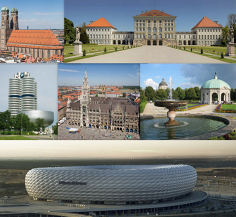
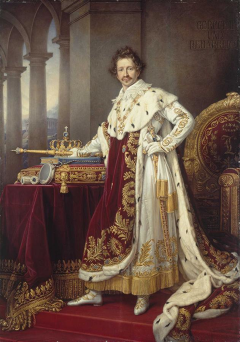
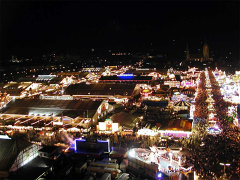
Crown Prince Ludwig of Bavaria married Princess Therese of Saxe-Hildburghausen on October 12, 1810, and the citizens of Munich were invited to a grand celebration on the fields outside the city gates. Nobody at that royal wedding party could have imagined they were launching what would become the world's largest folk festival, drawing more than six million visitors annually to a tradition now inseparable from German cultural identity. The original celebration bore little resemblance to the modern beer-soaked spectacle. The centerpiece was a horse race held on October 17, attended by the royal family and 40,000 Munich residents. The grounds where the festivities took place were named Theresienwiese (Therese's Meadow) in honor of the bride, and locals still call the Oktoberfest grounds "die Wiesn" today. Beer was present but secondary to the equestrian events and the civic display of loyalty to the Bavarian crown. King Maximilian I Joseph decided to repeat the celebration the following year, and it gradually expanded to include an agricultural fair, carnival rides, food stalls, and the beer tents that would eventually define the event. Bavarian breweries began competing for the honor of serving at Oktoberfest, and by the mid-nineteenth century, the festival had evolved into a major commercial enterprise as well as a cultural celebration. The festival has survived two world wars, multiple cholera outbreaks, and countless controversies over its modern excesses. Official Oktoberfest rules require that only Munich breweries operating within city limits can serve beer at the festival, and the brew must conform to the Reinheitsgebot (German Beer Purity Law) of 1516. Modern Oktoberfest runs for sixteen to eighteen days ending on the first Sunday in October — which means most of the festival actually takes place in September, a calendrical irony that doesn't trouble the millions who attend each year.
October 12, 1810
216 years ago
Key Figures & Places





What Else Happened on October 12
Cyrus the Great's forces marched into Babylon on October 12, 539 BC, toppling a millennia-old empire without a battle. This conquest immediately freed Jewish ca…
Cyrus the Great marched his Persian forces into Babylon, ending the Neo-Babylonian Empire without a major battle. By allowing the city’s captive populations, in…
Edwin of Northumbria died at Hatfield Chase with most of his army. He'd united northern England and converted to Christianity. Penda of Mercia and Cadwallon of …
King Ladislaus I established the fortress of Varadinum, formally documenting the site now known as Oradea in a papal bull. This administrative recognition trans…
King John lost the English Crown Jewels in The Wash in 1216 when his baggage train tried to cross the estuary at low tide and misjudged the timing. The tide cam…
Nichiren Shōshū split from other Buddhist schools on October 12, 1279, when Nikko left Mount Minobu after a dispute over doctrine. He founded Taiseki-ji temple …
Talk to History
Have a conversation with historical figures who witnessed this era. Ask questions, explore perspectives, and bring history to life.