

Columbus Reaches the Americas: October 12, 1492
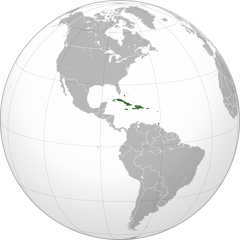
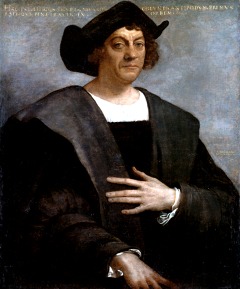
Rodrigo de Triana's shout on the Pinta triggered a chain of events that launched centuries of European colonization in the Americas. Columbus immediately seized the moment to claim the promised pension for himself, while his journal entries revealing plans to enslave the Lucayan people and convert them by force set a brutal precedent for future interactions with Indigenous populations.
October 12, 1492
534 years ago
Key Figures & Places


What Else Happened on October 12
Cyrus the Great marched his Persian forces into Babylon, ending the Neo-Babylonian Empire without a major battle. By allowing the city’s captive populations, in…
Cyrus the Great's forces marched into Babylon on October 12, 539 BC, toppling a millennia-old empire without a battle. This conquest immediately freed Jewish ca…
Der römische Kaiser Lucius Verus feiert in Rom einen Triumphzug zum Ende der Partherkriege.
Edwin of Northumbria died at Hatfield Chase with most of his army. He'd united northern England and converted to Christianity. Penda of Mercia and Cadwallon of …
نهاية معركة كربلاء بمقتل الإمام الحسين بن علي بن أبي طالب وأهل بيته وأصحابه.
couronnement de Louis III l'Aveugle comme roi d'Italie.
Talk to History
Have a conversation with historical figures who witnessed this era. Ask questions, explore perspectives, and bring history to life.