

Apollo 7 Launched: First Manned Apollo Mission
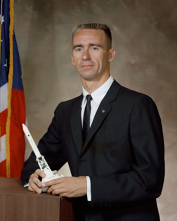
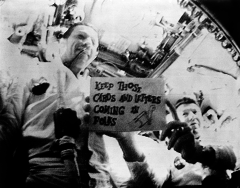
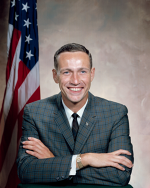
Apollo 7 shattered a 19-month silence after the Apollo 1 fire by launching the first crewed U.S. spacecraft since Gemini XII. This successful Earth-orbital test proved the redesigned command module safe, giving NASA the confidence to send astronauts around the Moon just two months later. The mission also delivered America's first live television broadcast from space before becoming the final manned launch from Cape Kennedy.
October 11, 1968
58 years ago
Key Figures & Places
What Else Happened on October 11
en Nicea (Turquía) sucede un terremoto. Algunos días después hubo otro terremoto en el Helesponto.
The 1138 Aleppo earthquake hit on October 11th with enough force to collapse the city's citadel — a fortress that had stood for centuries. Chroniclers wrote tha…
The earth violently fractured beneath Aleppo, leveling the city’s citadel and crushing thousands of residents in one of history’s deadliest seismic events. This…
The Jin Dynasty and Song Dynasty had been fighting for decades over northern China. The 1142 treaty froze the border along the Huai River. Song agreed to pay Ji…
The Jin and Song dynasties had been at war for fifteen years. The treaty signed in 1142 gave Jin control of all of northern China. The Song paid annual tribute …
le pape Grégoire IX charge Conrad de Marbourg de mettre en place, dans tout l’Empire germanique, des instances du Tribunal de l’Inquisition.
Talk to History
Have a conversation with historical figures who witnessed this era. Ask questions, explore perspectives, and bring history to life.