

Leif Erikson Lands in Canada: Vikings Beat Columbus by 500 Years
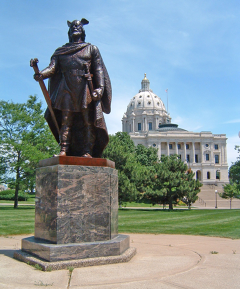
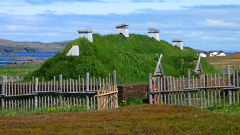
Leif Erikson sailed from Greenland and established a Norse settlement at L'Anse aux Meadows in Newfoundland, becoming the first European known to set foot in North America. The archaeological remains discovered there in the 1960s confirmed the Viking sagas and proved that Europeans reached the Americas nearly five centuries before Columbus.
October 9, 1003
1023 years ago
Key Figures & Places

What Else Happened on October 9
consagración del templo de Apolo Palatino en Roma, inspirado en el modelo alejandrino. Institución de la biblioteca del Templo de Apolo Palatino.
Pepin the Short died in 768 and split his kingdom between his two sons. Carloman got the center. Charlemagne got a crescent of territory wrapping around it — ha…
Richard Cœur de lion rembarque pour l'Angleterre, mettant fin à la troisième croisade en terre sainte.
Unter Meister Wolbero beginnen die Bauarbeiten für das Neusser Quirinusmünster
James I of Aragon captured the city of Valencia from the Almohad Caliphate, ending five centuries of Islamic rule in the region. By establishing the Kingdom of …
Alfonso X of Castile captured the strategic city of Jerez, ending over five centuries of Muslim rule in the region. This victory dismantled a key stronghold of …
Talk to History
Have a conversation with historical figures who witnessed this era. Ask questions, explore perspectives, and bring history to life.