

Korean Queen Min Assassinated by Japanese Agents
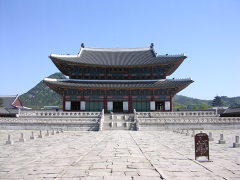
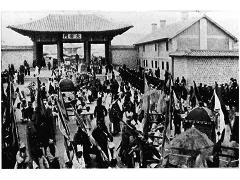
Japanese infiltrators storm Gyeongbok Palace to murder Queen Min and burn her body, shattering any illusion of Korean sovereignty under Japanese protection. This brutal act ignites a surge of anti-Japanese resistance that forces the Qing dynasty to withdraw its influence and accelerates Korea's descent into full colonial rule.
October 8, 1895
131 years ago
Key Figures & Places

What Else Happened on October 8

Constantine defeated his co-emperor Licinius at Cibalae in 314, killing 20,000 of his soldiers and seizing his European territories in a single afternoon. They'…
Constantine I crushed the forces of Licinius at the Battle of Cibalae, forcing his rival to cede the Balkan provinces. This victory split the Roman Empire into …
The Council of Chalcedon opened in 451 with 520 bishops packed into the church of Saint Euphemia, arguing over whether Christ had one nature or two. Emperor Mar…
The Council of Chalcedon opened in 451 with 520 bishops debating whether Christ had one nature or two. Emperor Marcian called the council to resolve the questio…
Al-Walid I., unter dessen Regentschaft das Reich der Umayyaden seine größte Ausdehnung erreicht, wird Kalif.
Die Hammelburger Markbeschreibung, das Protokoll einer Grenzbegehung und zugleich eine der ältesten Urkunden in althochdeutscher Sprache, entsteht.
Talk to History
Have a conversation with historical figures who witnessed this era. Ask questions, explore perspectives, and bring history to life.