

First Surviving Opera Performed: Peri's Euridice in Florence
Jacopo Peri's Euridice premiered before the Florentine court for the wedding of Maria de' Medici and Henry IV of France, becoming the earliest surviving complete opera. This fusion of dramatic text and continuous music launched the Baroque era and established opera as the dominant art form of European courts for the next two centuries.
October 6, 1600
426 years ago
Key Figures & Places
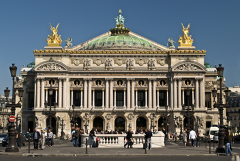
opera
Wikipedia
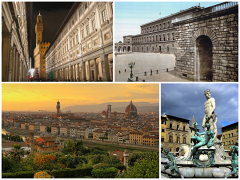
Florence
Wikipedia
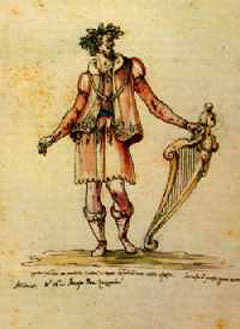
Jacopo Peri
Wikipedia
Euridice (opera)
Wikipedia
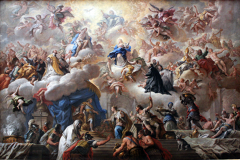
Baroque Period
Wikipedia
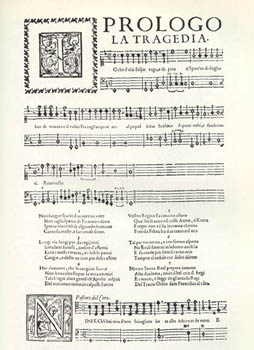
Euridice (Peri)
Wikipedia

Baroque
Wikipedia

Henry IV of France
Wikipedia

Marie de' Medici
Wikipedia

Palacio Pitti
Wikipedia
Favola in Musica
Wikipedia

Jacopo Peri
Wikipedia

Opera
Wikipedia
Geschichte der Musik
Wikipedia
What Else Happened on October 6
Die Einnahme Babylons durch das Heer des achämenidischen Königs Kyros II. und die Gefangennahme Königs Nabonid beenden sowohl das Neubabylonische Reich als auch…

The Cimbri annihilated two Roman armies at Arausio, killing 80,000 soldiers and 40,000 camp followers. It was Rome's worst defeat since Cannae. The disaster hap…
Two Roman armies suffered a catastrophic annihilation at the hands of the Cimbri and Teutones near the Rhône River, losing an estimated 80,000 soldiers. This di…
Roman legions under Lucullus shattered the Armenian army at the Battle of Tigranocerta, dismantling the regional hegemony of King Tigranes the Great. This victo…
Tigranes the Great watched his army collapse from a hilltop. He'd brought 250,000 men to fight Lucullus and his 18,000 Romans outside Tigranocerta. The Romans c…
October 6 was an unlucky day in Roman superstition—the anniversary of the Battle of Arausio. Lucullus attacked Tigranes anyway and routed an Armenian army five …
Talk to History
Have a conversation with historical figures who witnessed this era. Ask questions, explore perspectives, and bring history to life.