Bulldozer Revolution: Milosevic Resigns in Belgrade
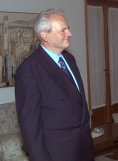
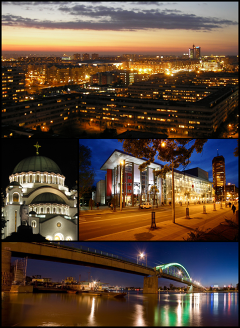
Half a million Serbs converged on Belgrade's federal parliament building on October 5, 2000, and a man driving a front-end loader smashed through the front entrance, giving the uprising its name: the Bulldozer Revolution. By nightfall, Slobodan Milosevic — the strongman who had launched four wars, overseen ethnic cleansing in Bosnia and Kosovo, and been indicted for crimes against humanity — acknowledged defeat in a presidential election he had tried to steal. The crisis began two weeks earlier, on September 24, when Milosevic lost the first round of the presidential election to opposition candidate Vojislav Kostunica, a constitutional lawyer who had united Serbia's fractured opposition. Federal election commission results showed Kostunica winning, but the commission — packed with Milosevic loyalists — claimed neither candidate had cleared 50 percent, ordering a runoff that would give the regime time to manipulate the outcome. Independent monitors confirmed Kostunica had won outright with roughly 55 percent. The opposition called a general strike. Coal miners at the Kolubara complex — the power plant that generated half of Serbia's electricity — walked off the job. Factories, schools, and shops across the country shut down. Milosevic sent police to the mines, but the officers refused to act against the workers. The regime was crumbling from the inside. On October 5, opposition leaders organized a march on Belgrade from multiple cities simultaneously. Columns of buses, cars, and trucks converged on the capital. When demonstrators reached the parliament, police fired tear gas, but the crowd — many of them construction workers and farmers who had driven their heavy equipment to Belgrade — overwhelmed the perimeter. The bulldozer operator, later identified as Ljubisav Dokic, drove his loader through the parliament's entrance while protestors poured in behind him. The state television building, RTS, was also stormed and set on fire. Milosevic appeared on television that evening to congratulate Kostunica. He was arrested six months later and transferred to The Hague, where he stood trial for war crimes until his death in custody in 2006. The Bulldozer Revolution was the last of the democratic uprisings that dismantled authoritarian rule across the former Yugoslavia.
October 5, 2000
26 years ago
Key Figures & Places
What Else Happened on October 5
An Egyptian border guard opened fire on Israeli tourists at Ras Burqa in the Sinai in 1985, killing seven, including four children. He emptied three rifle magaz…
Three kings led the invasion of Iberia in 456: Theodoric II of the Visigoths, Chilperic I of the Burgundians, and Gondioc of the Franks. They were following ord…
Heraclius sailed from Carthage to Constantinople in 610 to overthrow Emperor Phocas, who'd murdered his way to the throne eight years earlier. Heraclius's ships…
Heraclius was crowned Byzantine Emperor in 610 after sailing from Carthage to Constantinople and overthrowing Phocas, who'd murdered the previous emperor. Phoca…
Pope Stephen IV traveled to Reims to crown Louis the Pious in 816, even though Louis had already crowned himself three years earlier. The Pope needed Frankish m…
The Fourth Council of Constantinople convened to settle the Photian Schism. Patriarch Photius had replaced Ignatius after Emperor Michael III forced Ignatius ou…
Talk to History
Have a conversation with historical figures who witnessed this era. Ask questions, explore perspectives, and bring history to life.