

V-2 Rocket Reaches Space: First Man-Made Object
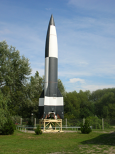
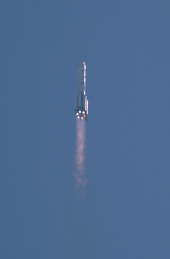
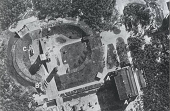
A forty-six-foot missile screamed off the launch pad at Peenemünde on the Baltic coast, punched through the atmosphere at 3,580 miles per hour, and reached an altitude of 52.5 miles — crossing the boundary of space for the first time in human history. On October 3, 1942, Nazi Germany's A4 rocket, later designated the V-2, became the first man-made object to leave Earth's atmosphere, and the modern space age was born from the ambitions of a totalitarian weapons program. The rocket was the brainchild of Wernher von Braun, a 30-year-old engineer whose childhood obsession with spaceflight had led him into an uncomfortable alliance with the Third Reich. Von Braun wanted to reach the stars. The Wehrmacht wanted a weapon that could strike London from continental Europe, beyond the range of any existing artillery. Both got what they wanted in the A4: a liquid-fueled ballistic missile carrying a one-ton warhead at supersonic speed, impossible to intercept by any existing defense. Development had consumed a decade, millions of Reichsmarks, and the forced labor of thousands of concentration camp prisoners at the Mittelwerk underground factory. Between September 1944 and March 1945, over 3,000 V-2s were launched against London, Antwerp, and other Allied targets, killing approximately 9,000 people. An estimated 12,000 forced laborers died during the rocket's production — more people killed building the weapon than were killed by it. When Germany collapsed, both the Americans and Soviets scrambled to capture V-2 technology and the scientists who created it. Operation Paperclip brought von Braun and over a hundred German engineers to the United States, where they formed the core of America's nascent rocket program. Soviet teams recovered their own V-2 components and personnel. The Space Race between the superpowers was, at its foundation, a competition between two teams working from the same German blueprints. The V-2's October 3 flight lasted just 190 seconds, but it proved that escaping Earth's gravity was an engineering problem, not a fantasy.
October 3, 1942
84 years ago
Key Figures & Places

What Else Happened on October 3
According to legend, Hwanung descended from heaven to Mount Baekdu with 3,000 followers and founded the first Korean kingdom in 2457 BC. His son Dangun, born to…
Vercingetorix rode out of Alesia's gates, alone, and surrendered to Julius Caesar. He'd unified Gaul's tribes against Rome—the only time they'd fought together.…
Mark Antony and Octavian faced Brutus and Cassius at the first Battle of Philippi on October 3, 42 BC, fighting to a tactical draw on the marshy plains of Maced…
Brutus and Cassius faced Octavian and Mark Antony at Philippi. Brutus' forces routed Octavian's legion and overran his camp. Octavian wasn't there—he was sick, …
Theodosius I made the Goths a deal: settle anywhere in the Balkans, keep your weapons, follow your own laws. In exchange, fight for Rome. It was 382. The empire…
Dafydd ap Gruffydd was the last native Prince of Wales. Edward I captured him after his brother Llywelyn died. The English invented a new execution for him: han…
Talk to History
Have a conversation with historical figures who witnessed this era. Ask questions, explore perspectives, and bring history to life.