

Lincoln Proclaims a National Day of Thanksgiving
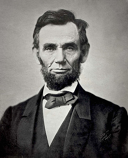
Abraham Lincoln declares the last Thursday in November a national day of Thanksgiving, establishing a tradition that anchors American unity during the Civil War. This proclamation sets a precedent for annual observance, eventually leading to the fixed date of the fourth Thursday in November that families still celebrate today.
October 3, 1863
163 years ago
Key Figures & Places


What Else Happened on October 3
According to legend, Hwanung descended from heaven to Mount Baekdu with 3,000 followers and founded the first Korean kingdom in 2457 BC. His son Dangun, born to…

Vercingetorix rode out of Alesia's gates, alone, and surrendered to Julius Caesar. He'd unified Gaul's tribes against Rome—the only time they'd fought together.…
Mark Antony and Octavian clash with Brutus and Cassius at Philippi, driving the latter to commit suicide after misreading the battlefield's chaos. This stalemat…

Brutus and Cassius faced Octavian and Mark Antony at Philippi. Brutus' forces routed Octavian's legion and overran his camp. Octavian wasn't there—he was sick, …
Theodosius I made the Goths a deal: settle anywhere in the Balkans, keep your weapons, follow your own laws. In exchange, fight for Rome. It was 382. The empire…
début de la révolte de Nicéphore Bryenne, contre l'empereur byzantin Michel VII.
Talk to History
Have a conversation with historical figures who witnessed this era. Ask questions, explore perspectives, and bring history to life.