

Alexander the Great Defeats Darius at Gaugamela: Persia Falls
Alexander the Great shatters Darius III's massive army at Gaugamela, sending the Persian king fleeing and leaving Babylon open for capture. This decisive victory dissolves the Achaemenid Empire and establishes Macedonian dominance over the entire known world.
October 1, 331 BC
Key Figures & Places
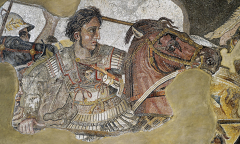
Alexander the Great
Wikipedia
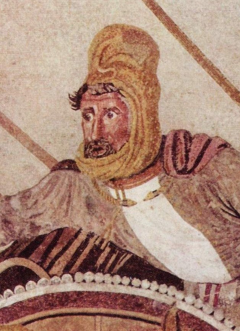
Darius III of Persia
Wikipedia
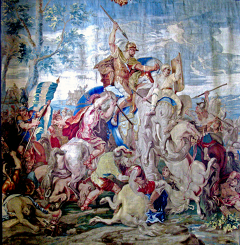
Battle of Gaugamela
Wikipedia

Alexander the Great
Wikipedia

Darius III
Wikipedia

Battle of Gaugamela
Wikipedia
Años 330 a. C.
Wikipedia

Iran
Wikipedia

Mosul
Wikipedia

Iraq
Wikipedia

Imperio persa
Wikipedia

Manifestations de 2019-2021 en Irak
Wikipedia
331 a. C.
Wikipedia

Baghdad
Wikipedia

Corruption
Wikipedia

Desempleo
Wikipedia

Political demonstration
Wikipedia

خرتو حاجي إسماعيل
Wikipedia
What Else Happened on October 1
en Crimea, entre el mar de Azov y el mar Negro 45°12′N 36°36′E / 45.2, 36.6, a 20 km de profundidad sucede un terremoto de 6,4 grados en la escala de Richter.…
Damasus I became pope on October 1, 366 after his supporters killed 137 followers of his rival Ursinus in a three-day street battle. Both men claimed election. …
en Constantinopla durante el asedio de la ciudad, los theotokos construyen la iglesia de Santa María de Blanquerna.

During a siege, worshippers packed into the Blachernae church saw the Virgin Mary appear above them, holding her veil over the congregation. St. Andrew witnesse…
Edgar the Peaceable became king of all England in 959 at age 16, but he'd already been king of Mercia for two years. His brother had ruled the south and died my…
John XIII became pope on October 1, 965 after Emperor Otto I forced the Roman nobles to elect him. The nobles hated it. They kidnapped John three months later, …
Talk to History
Have a conversation with historical figures who witnessed this era. Ask questions, explore perspectives, and bring history to life.