Winter Games Begin: Chamonix Hosts First Olympics
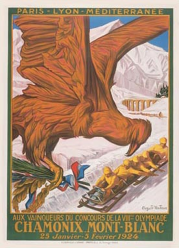
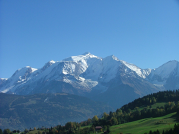
Two hundred and fifty-eight athletes from 16 nations marched through the Alpine town of Chamonix, France, for what was officially called "International Winter Sports Week." Nobody called it the Olympics at the time. Only retroactively, in 1926, did the International Olympic Committee designate the January 25 - February 5, 1924 event as the first Olympic Winter Games—a compromise that nearly didn''t happen. The idea of winter Olympic competition had been fiercely opposed by Scandinavian nations, particularly Sweden and Norway, which hosted the Nordic Games and feared losing their monopoly on international winter sport. Pierre de Coubertin, founder of the modern Olympics, had proposed winter events as early as 1911 but was blocked repeatedly. The 1924 gathering was deliberately given a neutral name to appease the Nordic countries, who agreed to participate only because the event was presented as a one-off demonstration. The games featured 16 events across six sports: bobsled, curling, ice hockey, military patrol, skating (figure and speed), and skiing (cross-country and ski jumping). Norway dominated, winning 17 medals. Finland''s Clas Thunberg became the first Winter Games star, winning five speed skating medals. Figure skater Sonja Henie, just 11 years old, competed for Norway and finished last—but she would return to win gold at the next three Winter Olympics. Canada''s ice hockey team outscored its opponents 110-3 across five games. The "Sports Week" proved so popular that the IOC faced pressure to make it permanent. When the retroactive designation came in 1926, it established a tradition that has grown into one of the world''s premier sporting events. Chamonix''s modest gathering of 258 athletes has expanded to over 2,900 competitors at the 2022 Beijing Winter Games. The Alpine town beneath Mont Blanc, which hosted the games with wooden grandstands and natural ice, became the unlikely birthplace of a global institution worth billions of dollars.
January 25, 1924
102 years ago
Key Figures & Places

What Else Happened on January 25
The Praetorian Guard discovered Claudius hiding behind a palace curtain following Caligula’s assassination, forcing the Senate to accept him as emperor by morni…
The last Umayyad caliph''s army was destroyed on the banks of the Great Zab River in what is now northern Iraq, and the most transformative dynasty in Islamic h…
A teenage king with a mother who'd just engineered a royal coup. Edward III watched as his father, Edward II, was dramatically stripped of power—humiliated by I…
Fourteen years old and suddenly king—with his mother Isabella and her lover Roger Mortimer pulling the strings. They'd just deposed his father, Edward II, in a …
The ground didn't just shake. It screamed. A massive earthquake ripped through the Alpine foothills, turning stone churches into rubble and sending tremors all …
Venice surrendered everything. After sixteen brutal years of naval battles across the Mediterranean, the Republic would pay 100,000 gold ducats and cede strateg…
Talk to History
Have a conversation with historical figures who witnessed this era. Ask questions, explore perspectives, and bring history to life.