

First Transcontinental Phone Call: Bell Calls Watson from NYC to San Francisco
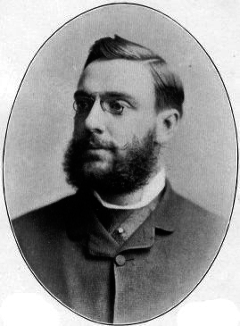
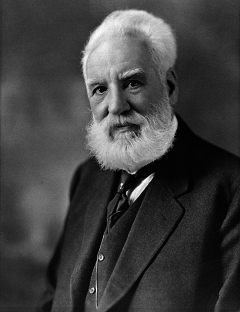
Bell engineers connected Alexander Graham Bell and Thomas Watson across a 3,400-mile wire from New York to San Francisco, proving the telephone had finally conquered the continent. This transcontinental call transformed the device from a local novelty into a national utility that shrank distances without requiring users to shout. The feat cemented the telephone's status as one of history's most successful products by demonstrating reliable long-distance communication for the first time.
January 25, 1915
111 years ago
Key Figures & Places
What Else Happened on January 25
The Praetorian Guard discovered Claudius hiding behind a palace curtain following Caligula’s assassination, forcing the Senate to accept him as emperor by morni…

Abbasid forces annihilated the last Umayyad army at the Battle of the Zab near the Tigris River, ending the ninety-year Umayyad Caliphate and installing the Abb…
en Roma, Pascual I es elegido papa.
Der römisch-deutsche König Heinrich IV. trifft während des Investiturstreits bei seinem Gang nach Canossa auf der Burg der Mathilde von Tuszien ein, um von Paps…
نشوب معركة مرج الصفر جنوب دمشق بين الصليبيين بقيادة بالدوين والسلاجقة بقيادة ظاهر الدين طغتكين، وتكبد الصليبيون خسائر كبيرة أجبرتهم على الانسحاب.
Ein Heer des Königreichs Jerusalem unter Führung von König Balduin III., das um Ritter der Johanniter und Templer verstärkt ist, beginnt mit der Belagerung von …
Talk to History
Have a conversation with historical figures who witnessed this era. Ask questions, explore perspectives, and bring history to life.