
Today In History logo TIH
Twelve-year-old Mary Kellerman woke up with a cold on the morning of September 2
Featured Event 1982 Event

September 29

Tylenol Murders: Poisoned Pills Spark Safety Revolution

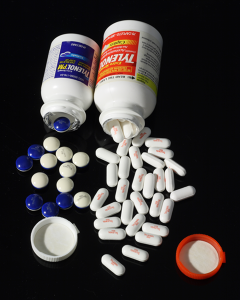
Twelve-year-old Mary Kellerman woke up with a cold on the morning of September 29, 1982, and her parents gave her an Extra-Strength Tylenol capsule. She was dead within hours. By the end of the week, six more people in the Chicago metropolitan area had died after taking cyanide-laced Tylenol, triggering a nationwide panic and fundamentally changing how every consumer product in America is packaged. The deaths were scattered across several suburbs, which initially delayed investigators from connecting them. Adam Janus of Arlington Heights died the same day as Kellerman. His brother Stanley and sister-in-law Theresa died after taking capsules from the same bottle while gathering to mourn. Mary McFarland, Paula Prince, and Mary Reiner died in the following days. A firefighter and a nurse, working independently, made the Tylenol connection by comparing notes on the victims. The discovery triggered immediate alarm. Police drove through Chicago neighborhoods with loudspeakers warning residents to discard all Tylenol products. Johnson & Johnson, the parent company, ordered a nationwide recall of an estimated 31 million bottles with a retail value exceeding $100 million. The recall, conducted voluntarily before any government mandate, became a textbook case in corporate crisis management. Investigators determined that the killer had purchased bottles of Extra-Strength Tylenol from several stores, opened the capsules, added potassium cyanide, reassembled them, and returned the bottles to store shelves. The random, anonymous nature of the crime made it nearly impossible to solve through conventional detective work. James William Lewis was convicted of extortion for sending a letter demanding $1 million to stop the poisonings, but he was never charged with the murders themselves. Despite extensive investigation by the FBI, the Chicago Police Department, and the Illinois Attorney General, the case remains officially unsolved. The murders led Congress to pass the Federal Anti-Tampering Act in 1983, making it a federal crime to tamper with consumer products. The pharmaceutical industry adopted tamper-evident packaging, including sealed caps, shrink bands, and foil seals. Every sealed bottle and blister pack on pharmacy shelves today exists because of seven deaths in Chicago in the fall of 1982.

September 29, 1982

44 years ago

Key Figures & Places
What Else Happened on September 29

Talk to History

Have a conversation with historical figures who witnessed this era. Ask questions, explore perspectives, and bring history to life.

Start Talking