Nixon vs. Kennedy: The Debate That Changed Politics
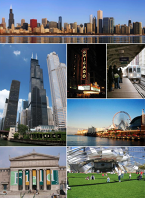
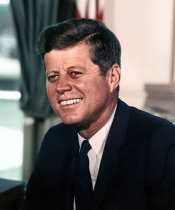
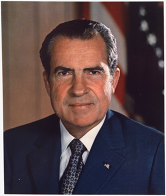
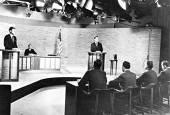
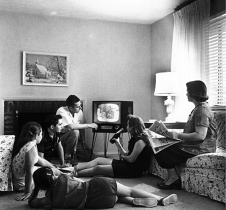
Richard Nixon looked terrible, and seventy million Americans saw it. On September 26, 1960, the first-ever televised presidential debate took place at CBS studios in Chicago, pitting Vice President Nixon against Senator John F. Kennedy. The broadcast fundamentally changed how Americans chose their leaders and established television as the dominant medium of political campaigning. Nixon arrived at the studio exhausted. He had spent two weeks in the hospital with an infected knee and had been campaigning aggressively to make up lost time. He was underweight, pale, and refused makeup. Kennedy, tanned from outdoor campaigning in California, rested that afternoon and arrived looking composed and confident. The contrast was devastating. The substance of the debate was substantive and roughly even. Both candidates discussed Cold War strategy, economic policy, and the defense of Quemoy and Matsu. Radio listeners who heard only the audio generally scored the debate a draw or gave Nixon a slight edge. But the 70 million television viewers saw something entirely different: a poised, vigorous Kennedy next to a sweating, five-o'clock-shadowed Nixon who shifted uncomfortably and glanced sideways at his opponent. The post-debate polls showed a significant swing toward Kennedy. Theodore White, chronicling the campaign in The Making of the President, called the broadcast the single most decisive event of the election. Kennedy won the November vote by fewer than 120,000 ballots out of nearly 69 million cast, and his performance on September 26 almost certainly provided the margin. Nixon learned the lesson. When he finally won the presidency in 1968, he ran one of the most carefully managed television campaigns in history. Every subsequent presidential candidate has treated debate preparation as a critical component of the race, hiring coaches, staging mock debates, and obsessing over camera angles and lighting. The Kennedy-Nixon debate established a truth that has only intensified in the decades since: on television, how you look matters at least as much as what you say.
September 26, 1960
66 years ago
Key Figures & Places
What Else Happened on September 26
Caesar had made the vow at Pharsalus two years earlier, in 48 BC — standing on a Greek battlefield about to fight Pompey, he promised Venus a temple if he won. …
Ragenfrid crushed the forces of the young mayor of the palace, Theudoald, at the Battle of Compiègne. This victory shattered the grip of the Merovingian puppet …
His father's body was still warm when William Rufus — red-faced, short-tempered, never married — rode hard for Winchester to seize the royal treasury before any…
Empress Matilda was trapped inside Oxford Castle while King Stephen's army ringed the city. The siege started in September and ran into December. When the Thame…
The Golden Bull of 1212 was Holy Roman Emperor Frederick II essentially paying a political debt. Ottokar I of Bohemia had backed Frederick in his power struggle…
Frisian peasants crushed the invading army of Count William IV of Holland at the Battle of Warns, ending Holland’s attempts to annex their territory. By defendi…
Talk to History
Have a conversation with historical figures who witnessed this era. Ask questions, explore perspectives, and bring history to life.