

Venetians Blow Up the Parthenon: A Bomb Hits Athens' Greatest Monument
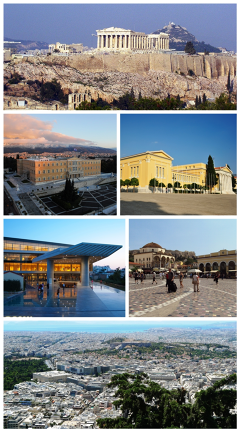
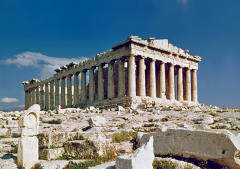
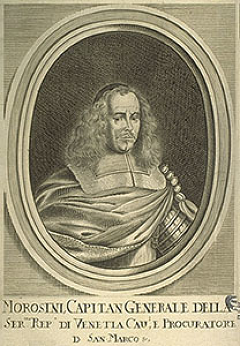
The Ottomans had been storing their gunpowder — roughly 300 barrels of it — inside the Parthenon, assuming the Venetians wouldn't dare bomb a 2,000-year-old temple. They were wrong. A Venetian mortar round hit the roof on September 26, 1687. The explosion blew out the interior, killed 300 people inside, and left the columns standing around a hollow ruin. The Parthenon had survived intact for 2,100 years of occupation, conversion, and warfare. It took one artillery shell and a bad bet on restraint to undo all of that.
September 26, 1687
339 years ago
Key Figures & Places

What Else Happened on September 26

Caesar had made the vow at Pharsalus two years earlier, in 48 BC — standing on a Greek battlefield about to fight Pompey, he promised Venus a temple if he won. …
Ragenfrid crushed the forces of the young mayor of the palace, Theudoald, at the Battle of Compiègne. This victory shattered the grip of the Merovingian puppet …
His father's body was still warm when William Rufus — red-faced, short-tempered, never married — rode hard for Winchester to seize the royal treasury before any…
Empress Matilda was trapped inside Oxford Castle while King Stephen's army ringed the city. The siege started in September and ran into December. When the Thame…
élection du pape Célestin II (Guido di Città di Castello, de son vrai nom).

The Golden Bull of 1212 was Holy Roman Emperor Frederick II essentially paying a political debt. Ottokar I of Bohemia had backed Frederick in his power struggle…
Talk to History
Have a conversation with historical figures who witnessed this era. Ask questions, explore perspectives, and bring history to life.