

Forest Fires Black Out the Sun Over New England: Blue Moon Follows
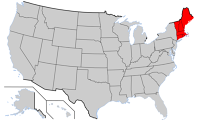
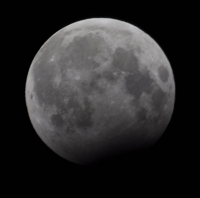
Massive forest fires across Canada and New England pumped so much smoke into the upper atmosphere that the sun vanished behind a dark haze and the moon turned blue as far away as Europe. The phenomenon demonstrated for the first time how large-scale wildfires could alter atmospheric optics across an entire hemisphere, a preview of the climate disruptions that fire seasons would increasingly produce.
September 24, 1950
76 years ago
Key Figures & Places


What Else Happened on September 24
Prophet Muhammad reached Medina after fleeing persecution in Mecca, successfully establishing the first independent Muslim community. This migration, known as t…
début de l'an 1 de l'islam par l'hégire (l'exil), le départ de Mahomet (Muhammad) de la Mecque pour Médine, en Arabie médiévale.
Der Prophet Mohammed kommt in Medina an und schließt damit seine Hidschra ab.
Bishops gathered at the Church of Holy Wisdom to resolve the fierce iconoclastic controversy that had fractured the Byzantine Empire for decades. By formally re…
محمد بن عبد الرحمن يتولى حكم الدولة الأموية في الأندلس خلفًا لأبيه عبد الرحمن بن الحكم.
Manuel I Komnenos died, ending the Komnenian restoration and leaving the Byzantine throne to his young, incompetent son. Without his steady hand to manage the e…
Talk to History
Have a conversation with historical figures who witnessed this era. Ask questions, explore perspectives, and bring history to life.