Black Friday 1869: Fisk and Gould Crash Gold Market
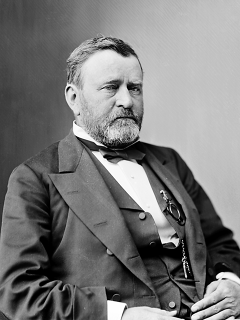
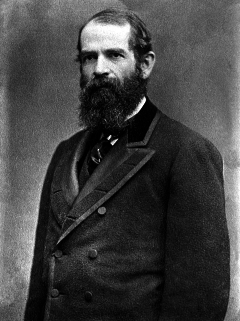
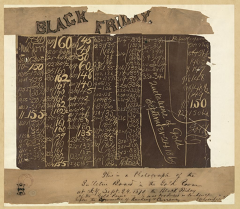
Jay Gould and Jim Fisk tried to buy all the gold in America. On September 24, 1869, their scheme collapsed in a matter of minutes, triggering a financial panic that ruined thousands of investors and tarnished the Grant administration before it was a year old. The plan was audacious in its simplicity. The U.S. Treasury held large gold reserves, and the government's policy of selling gold periodically kept prices stable. If Gould and Fisk could corner the private gold market while convincing President Ulysses S. Grant to halt government sales, they could drive the price as high as they wanted and sell at enormous profit. Gould cultivated access to the White House through Abel Corbin, Grant's brother-in-law, and planted Daniel Butterfield as an inside man at the Treasury. Through the summer of 1869, Gould quietly accumulated gold contracts while Fisk loudly bought on the open market, pushing the price steadily upward. Stocks fell as gold rose, and legitimate businesses dependent on stable currency markets began to panic. By the morning of September 24, gold had surged to $162 an ounce, a 30 percent premium over its price when Grant took office. Trading floors in New York were scenes of hysteria, with brokers screaming orders and grown men weeping as their positions collapsed. Grant, finally grasping the conspiracy, ordered the Treasury to sell $4 million in gold. The price crashed to $133 within fifteen minutes. The carnage was widespread. Fortunes evaporated instantly. Several brokerages failed. Foreign trade seized up for weeks as the currency markets convulsed. Gould had quietly sold his positions before the crash and escaped with his profits intact. Fisk simply repudiated his contracts, using hired thugs and corrupt judges to avoid paying his debts. A congressional investigation exposed the scheme but produced no criminal charges. Grant was personally exonerated but politically damaged by his association with Corbin and the speculators. Black Friday demonstrated how vulnerable the post-Civil War financial system was to manipulation and became a lasting cautionary tale about the dangers of unregulated markets.
September 24, 1869
157 years ago
Key Figures & Places
What Else Happened on September 24
Prophet Muhammad reached Medina after fleeing persecution in Mecca, successfully establishing the first independent Muslim community. This migration, known as t…
Bishops gathered at the Church of Holy Wisdom to resolve the fierce iconoclastic controversy that had fractured the Byzantine Empire for decades. By formally re…
Manuel I Komnenos died, ending the Komnenian restoration and leaving the Byzantine throne to his young, incompetent son. Without his steady hand to manage the e…
John Hawkins had sailed into the Mexican port of San Juan de Ulúa under a flag of truce, and the Spanish let him anchor while awaiting the annual treasure fleet…
Parliamentarian cavalry defeated a Royalist army personally commanded by King Charles I at Rowton Heath, forcing the king to watch the destruction of his relief…
Peter Stuyvesant surrendered New Amsterdam to an English naval squadron without firing a shot, ending Dutch colonial rule in North America. This transfer consol…
Talk to History
Have a conversation with historical figures who witnessed this era. Ask questions, explore perspectives, and bring history to life.