

Lincoln Proclaims Freedom: Emancipation Changes War
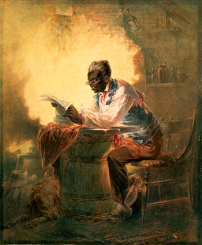
Abraham Lincoln had been waiting for a Union victory to play his strongest card. After the bloody stalemate at Antietam on September 17, 1862, he found his opening. Five days later, on September 22, Lincoln issued the preliminary Emancipation Proclamation, warning the Confederate states that all enslaved people in territories still in rebellion on January 1, 1863, would be declared "forever free." The proclamation was a calculated act of war, not a sudden moral awakening. Lincoln had privately drafted the document weeks earlier but accepted Secretary of State William Seward's advice to wait for a battlefield success, lest it appear an act of desperation. The preliminary version gave Confederate states one hundred days to return to the Union with slavery intact. None accepted. When the final Emancipation Proclamation took effect on New Year's Day 1863, it freed approximately 3.1 million of the 4 million enslaved people in the United States, though only in areas the Union did not yet control. The border states of Kentucky, Maryland, Delaware, and Missouri were deliberately excluded to keep them from joining the Confederacy. Enforcement followed the advancing Union armies, with each captured mile of Southern territory translating the proclamation from promise into reality. The document's most radical provision authorized the enlistment of Black soldiers into the Union military. By war's end, roughly 180,000 African Americans had served in the United States Colored Troops, and their valor at battles like Fort Wagner and the Crater helped erode white opposition to emancipation. Frederick Douglass called the proclamation "the immortal paper" and spent months recruiting Black volunteers. European powers that had been considering diplomatic recognition of the Confederacy pulled back. British textile workers, despite suffering from the cotton embargo, rallied behind the Union cause. The proclamation transformed the Civil War from a fight to preserve the Union into a crusade against slavery, making foreign intervention politically impossible. Full abolition required the Thirteenth Amendment, ratified in December 1865. But Lincoln's September announcement broke the political dam.
September 22, 1862
164 years ago
Key Figures & Places

What Else Happened on September 22
Themistocles lured the massive Persian fleet into the narrow straits of Salamis, where the Greeks’ agile triremes systematically rammed and sank Xerxes’ cumbers…
Nero recruited the Legion I Italica from the tallest, strongest men in Italy, breaking the long-standing tradition of only enlisting citizens from the provinces…

The Tang dynasty, once the most powerful and cosmopolitan empire on earth, was already dying when its penultimate emperor was murdered. On September 22, 904, th…
Lithuanian and Semigallian forces crushed the Livonian Brothers of the Sword at the Battle of Saule, killing the Grand Master and hundreds of knights. This cata…
Aragonese cavalry shattered a numerically superior Castilian force at the Battle of Araviana, stalling King Peter of Castile’s aggressive expansion into Aragon.…
The Swabian War lasted less than a year but settled something that had been building for decades: whether the Swiss Confederacy was truly free of Habsburg and i…
Talk to History
Have a conversation with historical figures who witnessed this era. Ask questions, explore perspectives, and bring history to life.