Marcos Signs Martial Law: Philippines Under Dictator
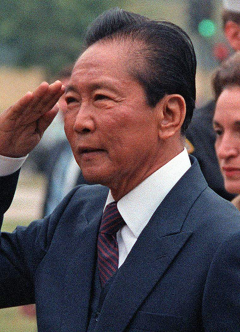
Ferdinand Marcos had been plotting this moment for months. On September 21, 1972, the Philippine president signed Proclamation No. 1081, placing the entire archipelago under martial law and beginning a dictatorship that would last fourteen years. He justified the decree by citing a communist insurgency and a series of bombings in Manila, though evidence later emerged that his own agents had staged several of the attacks. Marcos had won the presidency in 1965 as a charismatic reformer and became the first Philippine president reelected to a second term. But the 1973 constitution barred him from seeking a third, and rather than relinquish power, he manufactured a crisis. Within hours of the proclamation, soldiers arrested opposition leaders, shuttered newspapers and broadcast stations, and imposed a nationwide curfew. Senator Benigno Aquino Jr., Marcos's most formidable political rival, was detained and would spend nearly eight years in prison. Marcos presented martial law as a necessary step toward building a "New Society" free of oligarchs and insurgents. Early on, some Filipinos supported the crackdown, and crime rates dropped as firearms were confiscated. But the regime rapidly devolved into kleptocracy. Marcos and his wife Imelda funneled billions of dollars from the national treasury into Swiss bank accounts, real estate holdings, and extravagant personal collections while poverty deepened across the islands. The military tortured and killed thousands of political prisoners, journalists, and suspected dissidents. International human rights organizations documented systematic abuses, but Cold War geopolitics kept American support flowing. When Benigno Aquino returned from exile in 1983 and was assassinated on the airport tarmac, the murder galvanized a popular movement that culminated in the 1986 People Power Revolution. Marcos fled to Hawaii, leaving behind a nation scarred by corruption and repression that took decades to repair.
September 21, 1972
54 years ago
Key Figures & Places
What Else Happened on September 21
Avitus marched into Rome at the head of a Gallic army to claim the imperial throne, securing the support of the Visigothic King Theodoric II. This alliance brie…
Richard de Clare — 'Strongbow' — had been promised the Kingdom of Leinster and the hand of its king's daughter if he helped Diarmait Mac Murchada retake his thr…
Anglo-Norman forces led by Richard de Clare, known as Strongbow, stormed the gates of Dublin, ending Norse-Gaelic rule in the city. This conquest forced the loc…
Lembitu was the only Estonian leader who'd managed to unite multiple Estonian tribes against the Livonian crusaders — a coalition that had held for years. Kaupo…
Estonian tribal leader Lembitu of Lehola fell in the Battle of St. Matthew’s Day, ending his attempt to unify the Estonian tribes against the crusading Teutonic…
Philip the Good of Burgundy had been England's ally in the Hundred Years' War partly because Henry V's men had murdered his father John the Fearless on a bridge…
Talk to History
Have a conversation with historical figures who witnessed this era. Ask questions, explore perspectives, and bring history to life.