Great Hurricane of 1938: 700 Dead on Long Island
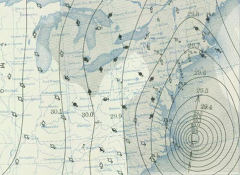
No one saw it coming. On September 21, 1938, a Category 3 hurricane slammed into Long Island and southern New England without warning, killing between 682 and 800 people and destroying entire coastal communities in what remains one of the deadliest and most destructive natural disasters in American history. The storm had been tracked moving north from the Caribbean, but forecasters at the U.S. Weather Bureau in Washington predicted it would curve harmlessly out to sea, following the pattern of most Atlantic hurricanes. A young junior forecaster named Charles Pierce correctly predicted the storm would make landfall in New England, but his superiors overruled him. No hurricane warnings were issued north of New Jersey. The storm made landfall on Long Island around 3:30 PM, driving a wall of seawater up to 25 feet high across exposed beaches. The surge swept entire neighborhoods into the ocean. In downtown Providence, Rhode Island, floodwaters reached 13 feet above street level, drowning people trapped in cars and buildings. Wind gusts exceeded 180 miles per hour at the Blue Hill Observatory in Massachusetts, among the highest ever recorded in North America. The destruction was staggering. Over 57,000 homes were damaged or destroyed. The storm flattened two billion trees across New England, fundamentally altering the region's forest ecology. Railroad lines, bridges, and communication networks were obliterated. The famous summer colonies along the Rhode Island and Connecticut coasts were reduced to rubble. The Great New England Hurricane, sometimes called the Long Island Express, struck during a period when the Weather Bureau lacked the technology and organizational structure to track fast-moving storms. The catastrophic failure in forecasting led directly to reforms in hurricane prediction and the eventual development of aircraft reconnaissance flights into tropical storms. Every modern hurricane warning system traces part of its lineage to the deadly lessons of September 1938.
September 21, 1938
88 years ago
Key Figures & Places
What Else Happened on September 21
Avitus marched into Rome at the head of a Gallic army to claim the imperial throne, securing the support of the Visigothic King Theodoric II. This alliance brie…
Richard de Clare — 'Strongbow' — had been promised the Kingdom of Leinster and the hand of its king's daughter if he helped Diarmait Mac Murchada retake his thr…
Anglo-Norman forces led by Richard de Clare, known as Strongbow, stormed the gates of Dublin, ending Norse-Gaelic rule in the city. This conquest forced the loc…
Lembitu was the only Estonian leader who'd managed to unite multiple Estonian tribes against the Livonian crusaders — a coalition that had held for years. Kaupo…
Estonian tribal leader Lembitu of Lehola fell in the Battle of St. Matthew’s Day, ending his attempt to unify the Estonian tribes against the crusading Teutonic…
Philip the Good of Burgundy had been England's ally in the Hundred Years' War partly because Henry V's men had murdered his father John the Fearless on a bridge…
Talk to History
Have a conversation with historical figures who witnessed this era. Ask questions, explore perspectives, and bring history to life.