Arnold Betrays West Point: Symbol of Treachery Born
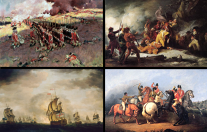
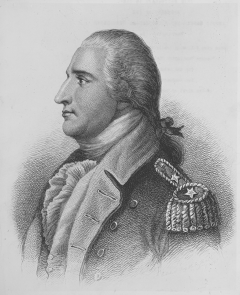
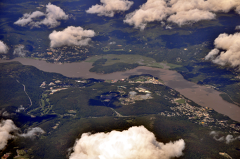
Few names in American history carry the weight of betrayal quite like Benedict Arnold. Once among the Continental Army's most daring and effective battlefield commanders, Arnold earned glory at Ticonderoga, Valcour Island, and Saratoga, where a devastating leg wound nearly cost him his life. Washington trusted him enough to grant command of West Point, the fortified stronghold overlooking the Hudson River that served as the strategic linchpin of American defenses in New York. Behind that trust, resentment had been festering for years. Congress repeatedly passed Arnold over for promotion while lesser officers claimed credit for his victories. Formal inquiries into corruption charges, though mostly resulting in acquittal, left him financially ruined and deeply embittered. By 1779, Arnold had opened secret negotiations with British Major John André, offering to surrender West Point and its garrison for 20,000 pounds and a commission in the British Army. The plot unraveled on September 21, 1780, when American forces captured André carrying detailed plans of West Point's fortifications in his stockings. Arnold learned of the arrest just hours before Washington arrived for an inspection and fled down the Hudson to the British warship HMS Vulture. André, less fortunate, was hanged as a spy on October 2. Arnold received his British commission and led raids against American positions in Virginia and Connecticut, but the British never fully trusted him either. He spent his final years in London, shunned by English society and haunted by debts. His name became so synonymous with treachery that "Benedict Arnold" entered the language as shorthand for the worst kind of betrayal. The irony endures: the man who nearly saved the Revolution at Saratoga came closer than anyone to destroying it at West Point.
September 21, 1780
246 years ago
Key Figures & Places

What Else Happened on September 21
Avitus marched into Rome at the head of a Gallic army to claim the imperial throne, securing the support of the Visigothic King Theodoric II. This alliance brie…
Richard de Clare — 'Strongbow' — had been promised the Kingdom of Leinster and the hand of its king's daughter if he helped Diarmait Mac Murchada retake his thr…
Anglo-Norman forces led by Richard de Clare, known as Strongbow, stormed the gates of Dublin, ending Norse-Gaelic rule in the city. This conquest forced the loc…
Lembitu was the only Estonian leader who'd managed to unite multiple Estonian tribes against the Livonian crusaders — a coalition that had held for years. Kaupo…
Estonian tribal leader Lembitu of Lehola fell in the Battle of St. Matthew’s Day, ending his attempt to unify the Estonian tribes against the crusading Teutonic…
Philip the Good of Burgundy had been England's ally in the Hundred Years' War partly because Henry V's men had murdered his father John the Fearless on a bridge…
Talk to History
Have a conversation with historical figures who witnessed this era. Ask questions, explore perspectives, and bring history to life.