

Battle of Antietam: Bloodiest Single Day in American History
Union forces under George B. McClellan halt Robert E. Lee's northward drive at the Battle of Antietam, claiming the title for the bloodiest single day in American history. This stalemate gives President Lincoln the political cover he needs to issue the preliminary Emancipation Proclamation, shifting the war's purpose from mere union preservation to a fight against slavery.
September 17, 1862
164 years ago
Key Figures & Places
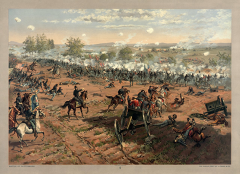
American Civil War
Wikipedia
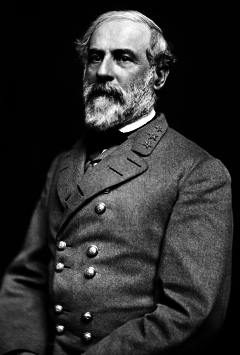
Robert E. Lee
Wikipedia
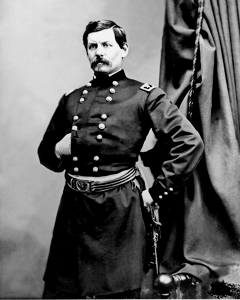
George B. McClellan
Wikipedia
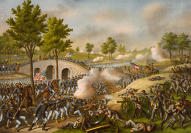
Battle of Antietam
Wikipedia
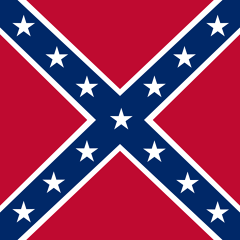
Confederate army
Wikipedia

American Civil War
Wikipedia

George B. McClellan
Wikipedia

Army of the Potomac
Wikipedia

Maryland campaign
Wikipedia

Northern United States
Wikipedia

Robert E. Lee
Wikipedia

Army of Northern Virginia
Wikipedia

Battle of Antietam
Wikipedia

Union
Wikipedia

Confederate
Wikipedia

Maryland
Wikipedia
What Else Happened on September 17
Der Stern Antares wird letztmals von der Venus bedeckt.
le Sénat romain vote la divinisation d'Auguste, un mois après sa mort. Tibère lui succède comme empereur.
Remistus had been magister militum — essentially commander of the Western Roman army — but by 456 that title meant less than it once had. A Gothic force besiege…
les Arabes s'emparent d'Alexandrie.
a 25 km al sudoeste de Bagdad (Irak), un terremoto produjo 16 000 muertos.
Alfonso VII was three years old when his father died, and his mother was immediately pressured to remarry and cede control. He spent his childhood under the pro…
Talk to History
Have a conversation with historical figures who witnessed this era. Ask questions, explore perspectives, and bring history to life.